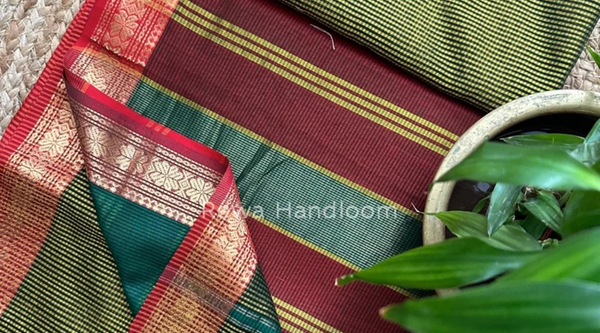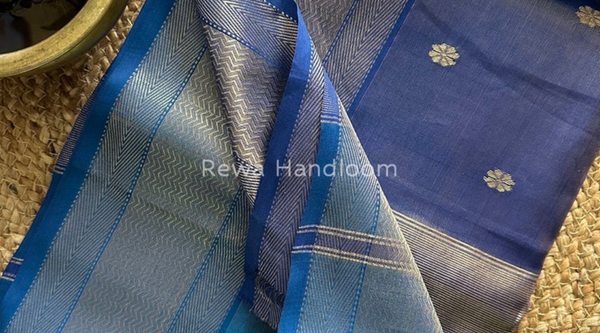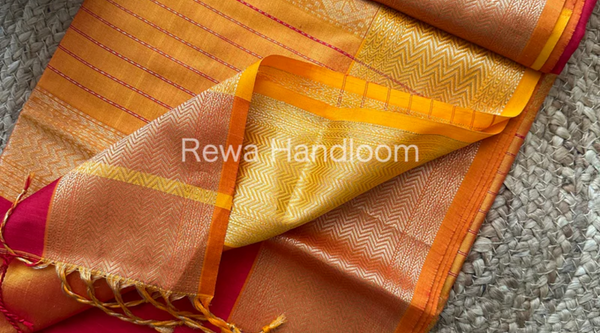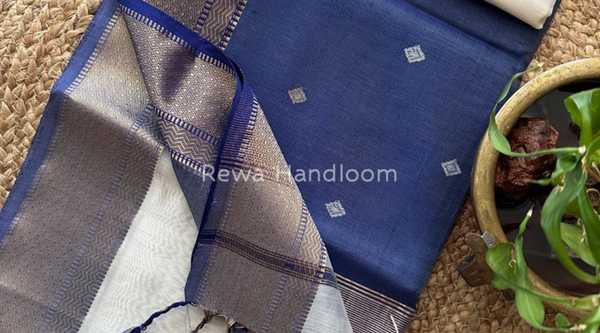







The History and Heritage of Chanderi Sarees (700 Years of Weaving)
Few textiles in India carry as much history as the Chanderi saree. Woven in the small town of Chanderi in Madhya Pradesh, this gossamer-fine fabric has draped royalty, inspired poets, and survived centuries of change. Its story spans roughly 700 years of unbroken weaving tradition, making it one of the oldest living handloom crafts in the country. Here is a journey through its rich heritage.
The Ancient Roots of Chanderi
Chanderi's weaving tradition is believed to date back to the 13th century, when the town sat at the crossroads of important trade routes connecting central India to the ports of Gujarat and the markets of the north. Its strategic location made it a thriving hub for textiles, attracting weavers and merchants who exchanged techniques and materials.
Royal Patronage Through the Ages
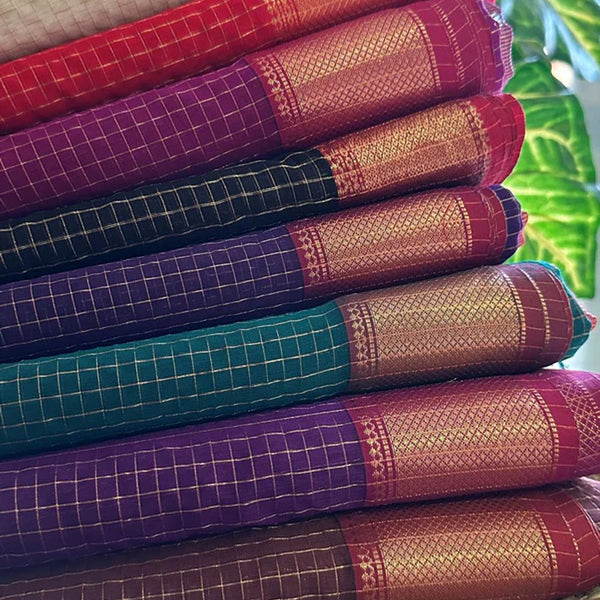
Over the centuries, Chanderi textiles enjoyed the patronage of various dynasties, including the rulers of the Bundela and later the Scindia courts. The fine fabric became a favourite among nobility and royal households, who valued its lightness, sheen, and the delicate motifs woven into it. This royal favour helped the craft flourish and refine over generations.
The Signature Sheer Weave
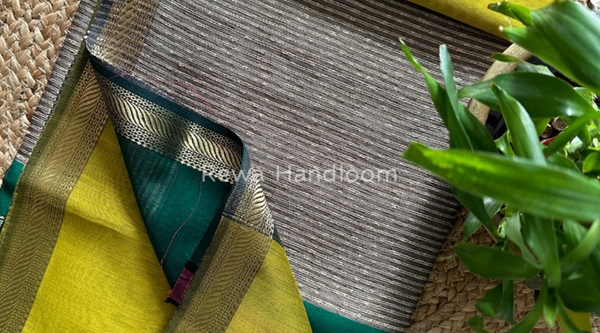
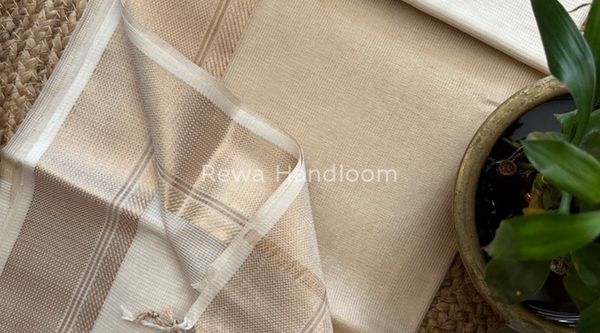
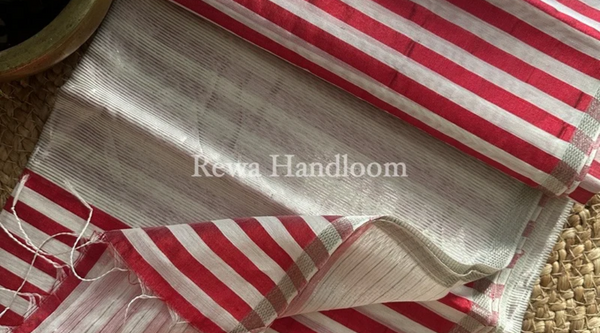
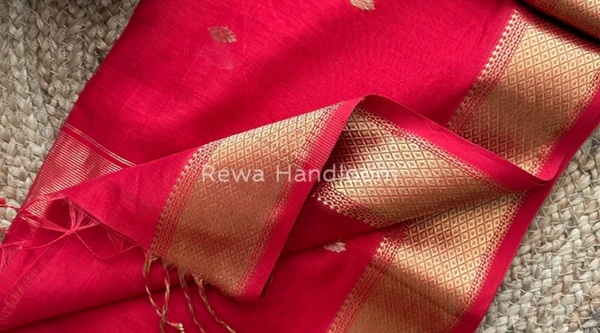
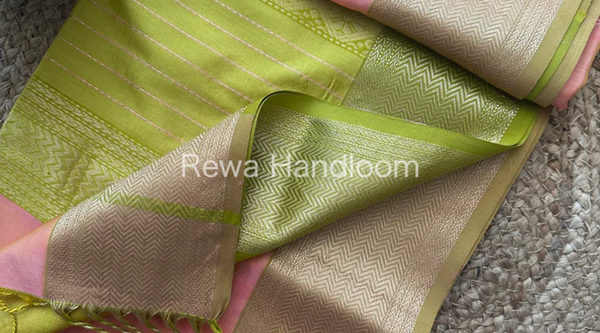
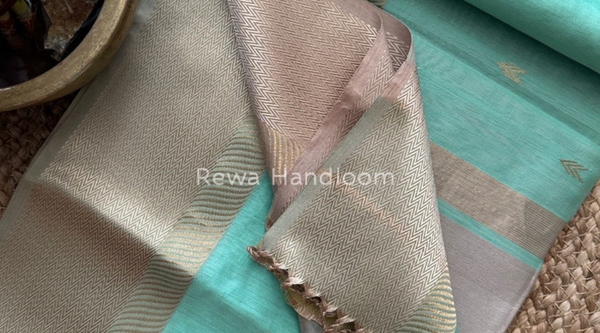
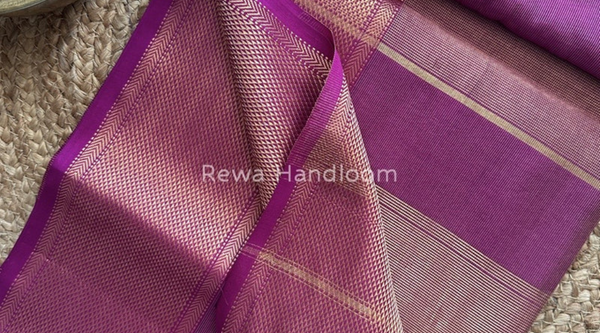
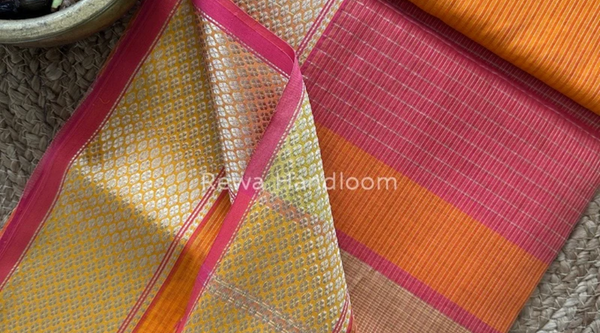
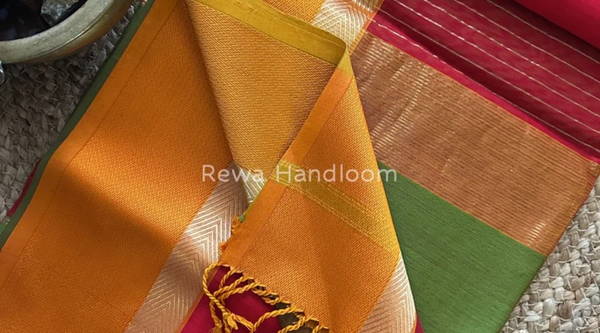
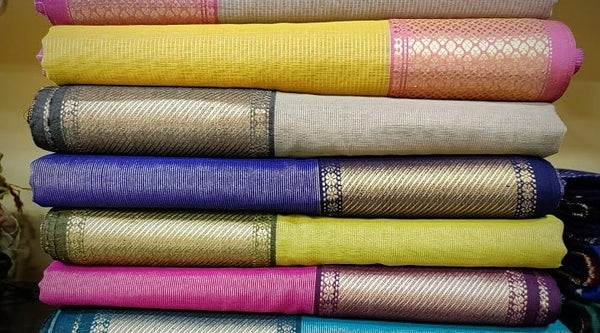
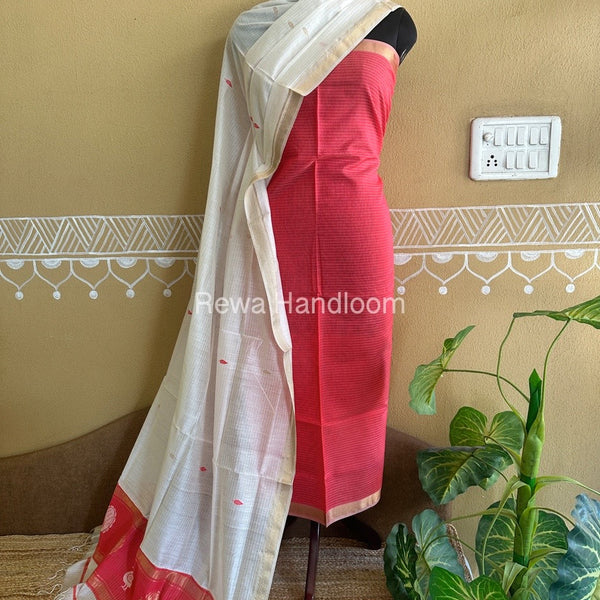
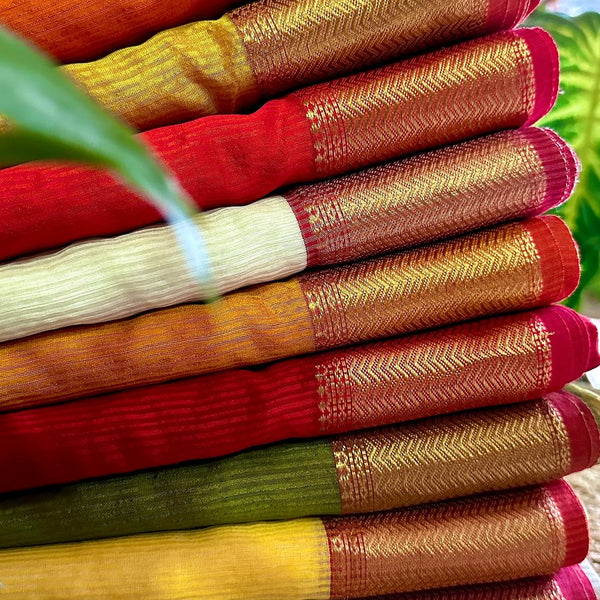
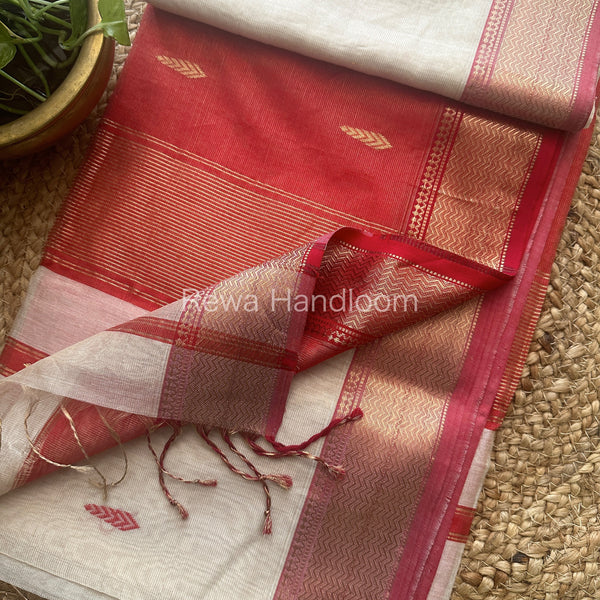
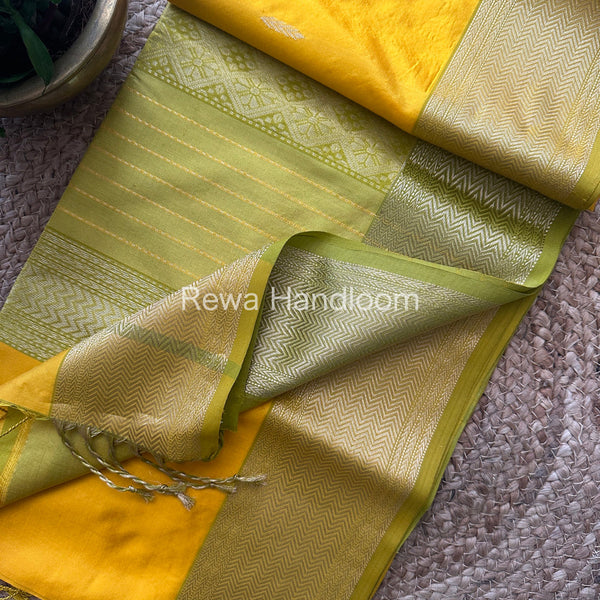
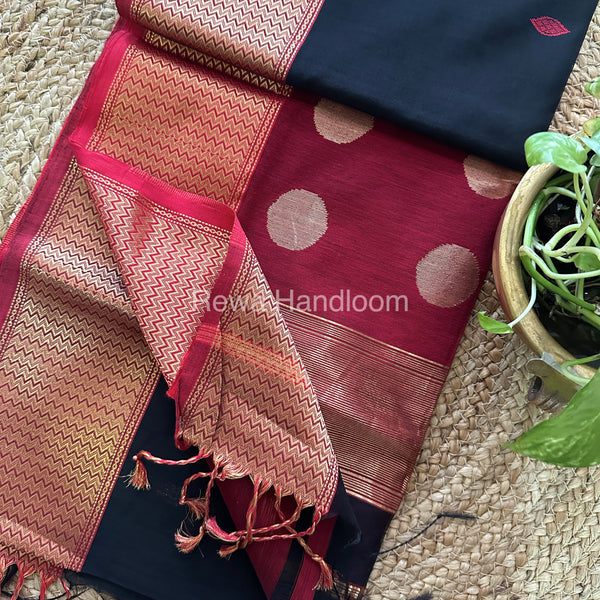
What set Chanderi apart was its extraordinary transparency. Traditional weavers used hand-spun cotton so fine that the fabric was almost translucent, later combining it with silk for added lustre. The use of unbleached, non-degummed yarn gave the cloth its characteristic glow, a feature that still defines authentic Chanderi today.
Motifs Inspired by Nature and Faith
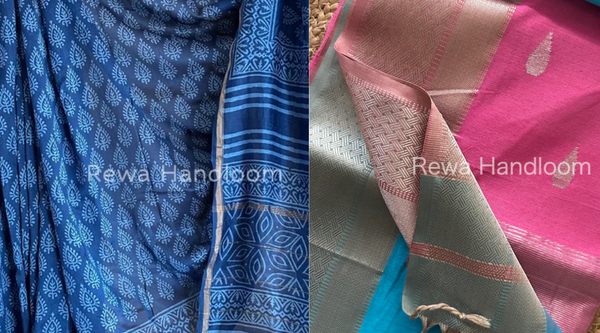
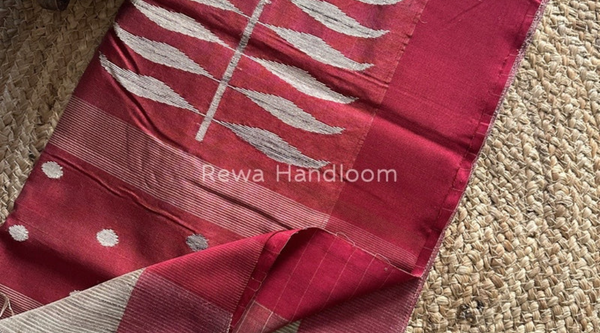
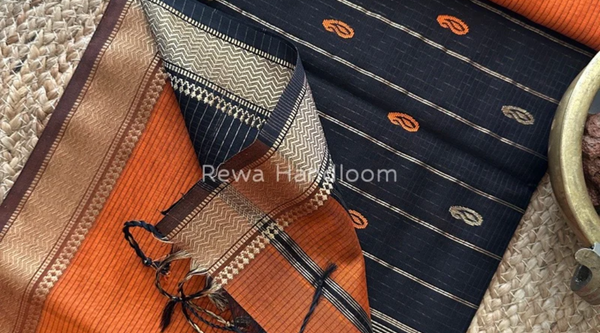
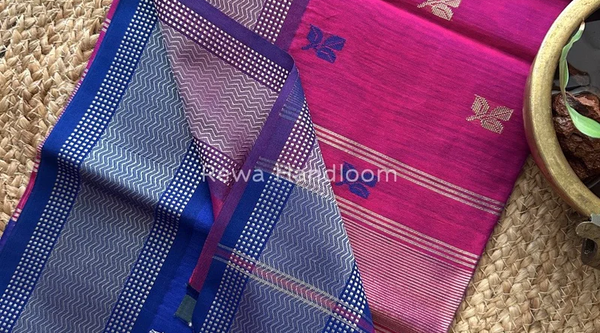
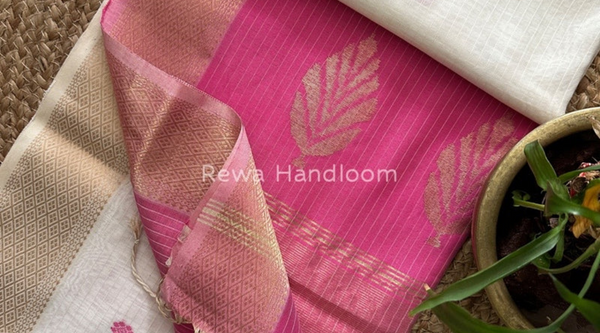
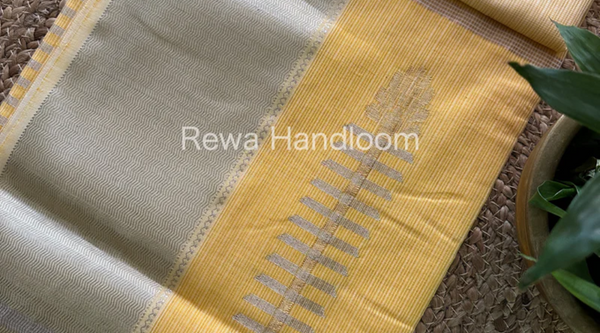
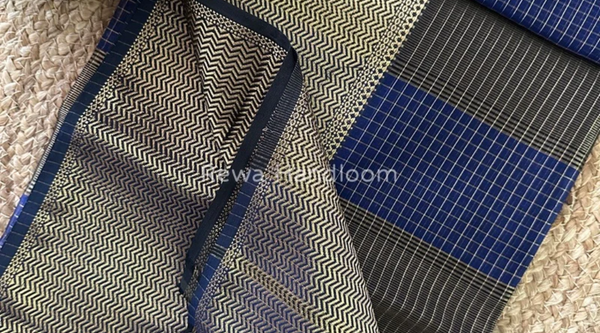
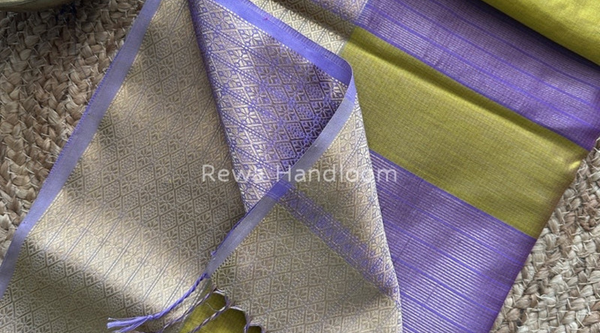
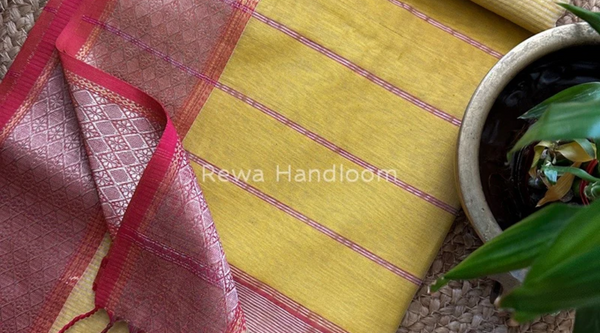
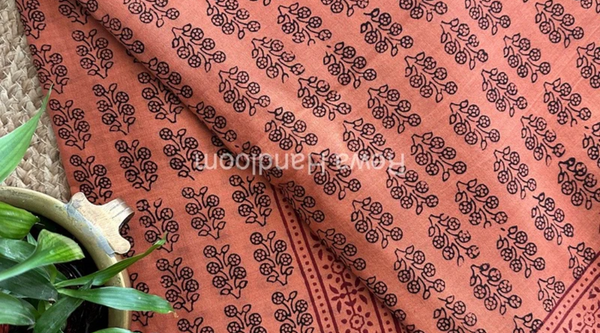
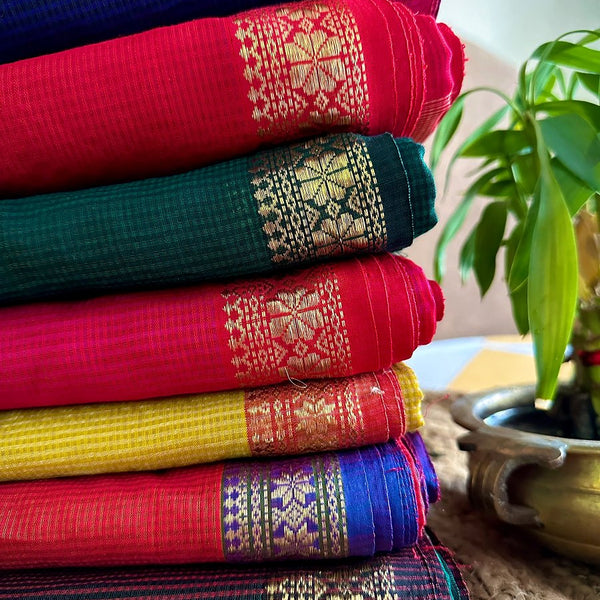
The motifs woven into Chanderi sarees tell their own story. Coins, peacocks, lotuses, swans, and geometric buttis reflect the region's cultural and spiritual life. Many of these designs were inspired by the temples, forts, and natural surroundings of Chanderi, turning each saree into a quiet expression of local heritage.
Revival and Modern Recognition
Like many handloom crafts, Chanderi faced challenges with the rise of mechanised textiles. Yet through the efforts of weaver cooperatives, government support, and renewed interest in handmade fabrics, the craft was revived. Chanderi later earned a Geographical Indication (GI) tag, formally recognising its unique origin and protecting its authenticity.
Chanderi Today
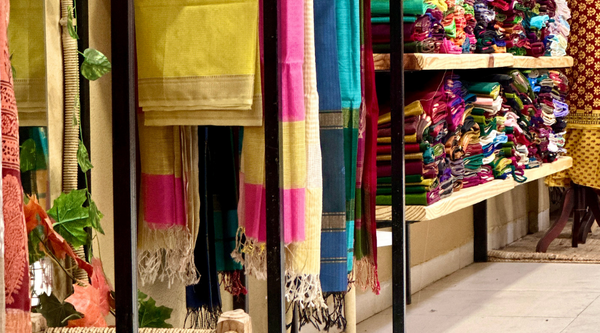
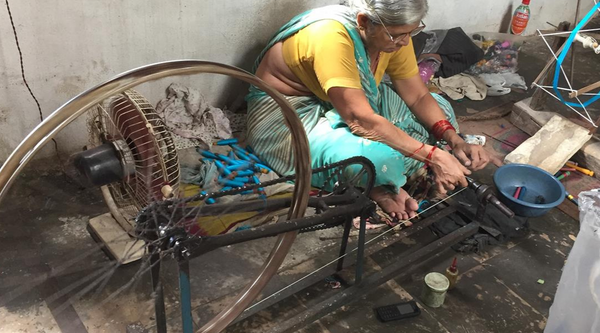
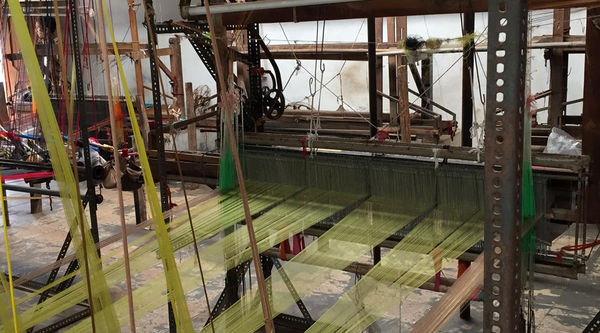
Today, thousands of families in and around Chanderi continue to weave on traditional looms, blending age-old techniques with contemporary designs. Each saree still passes through many skilled hands, preserving a legacy that has endured for seven centuries. Buying a Chanderi means supporting this living tradition and the artisans who keep it alive.
Final Thoughts
The Chanderi saree is far more than a garment, it is woven history, carrying the memory of royal courts, master weavers, and centuries of artistry. Explore our handcrafted Chanderi Sarees Collection and drape yourself in 700 years of heritage.