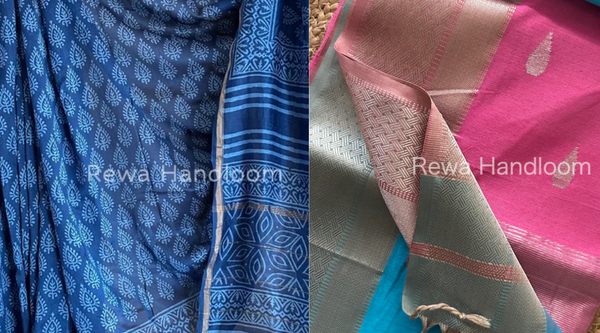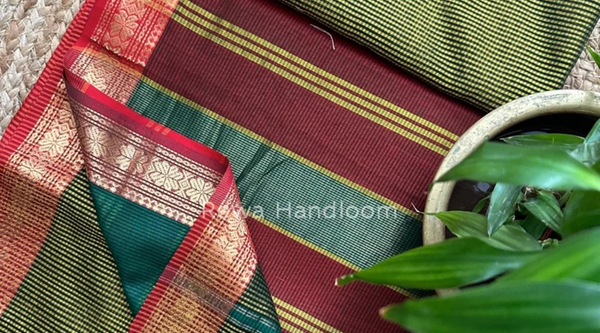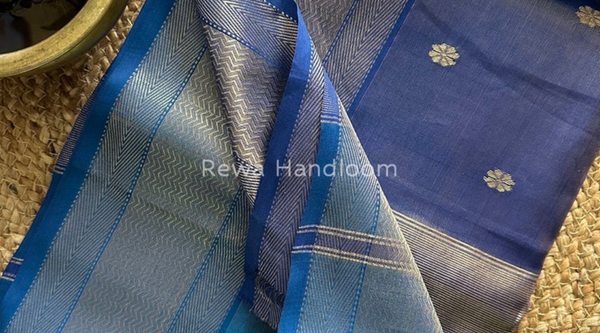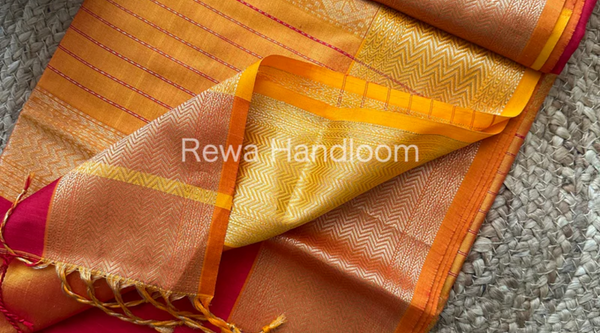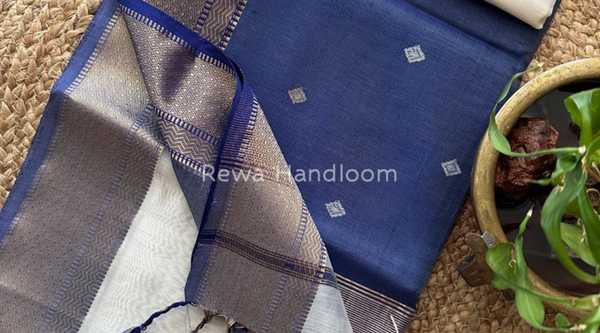







The Woven Wonders of India: Weaves of Handloom Traditions
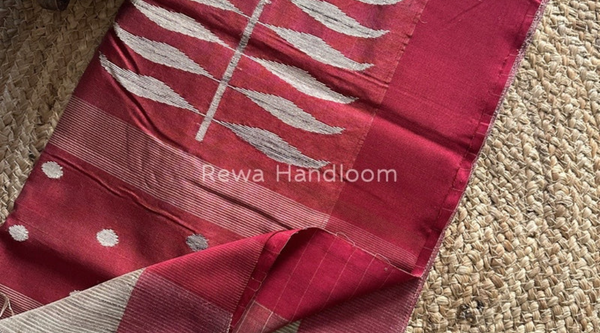
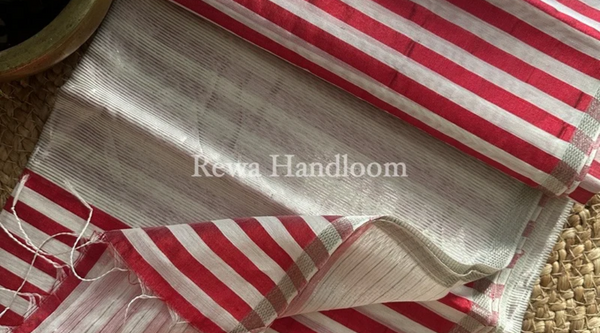
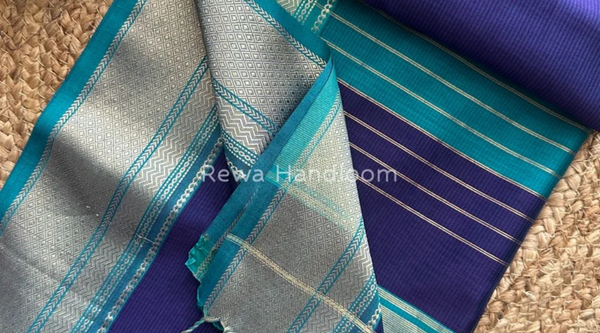
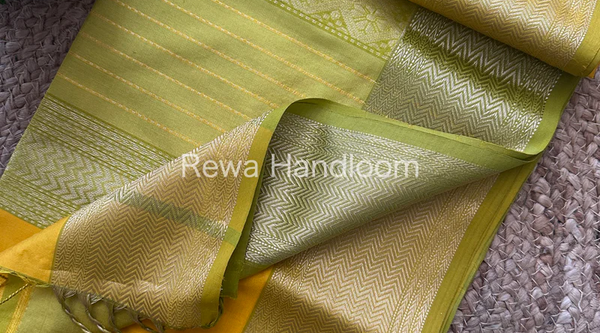
The Woven Wonders of India: A Journey Through Timeless Handloom Traditions | Rewa Handloom
India’s story is not just written in history books; it is woven into the very fabric of its being. For centuries, the rhythmic clatter of the handloom has been the heartbeat of countless villages, creating textiles that are far more than just cloth. They are a living narrative of our land, capturing the essence of diverse cultures, royal patronage, and the incredible skill of artisans whose legacy is etched in every thread.
At Rewa Handloom, we believe that wearing a handloom creation is a way of connecting with this rich heritage. It’s an embrace of timeless tradition and a celebration of the human hand behind the art. Let’s embark on a journey across India to discover some of its most beloved handloom crafts, each with a story as unique as its weave.
The Regal Silks and Airy Textiles of North & Central India
The heartland of India is a treasure trove of weaving traditions, from the opulent courts of the North to the riverine towns of the Vindhyas.
1. The Opulence of Benarasi:
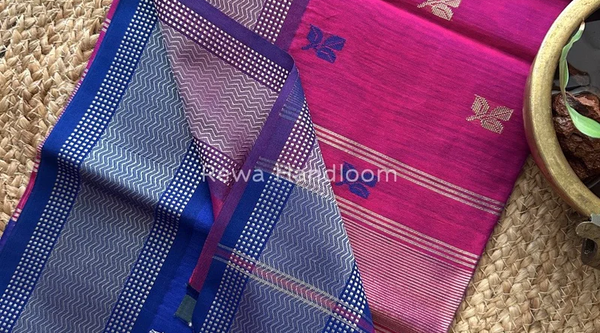
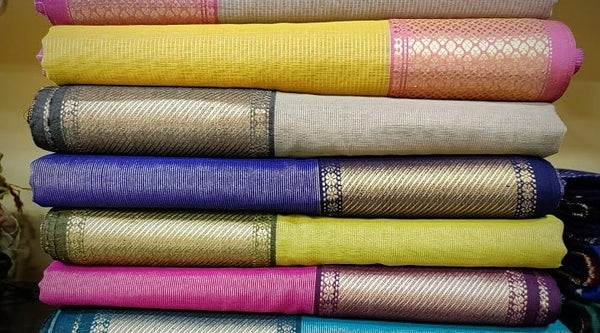
No discussion of Indian handlooms is complete without the majestic **Benarasi saree**. Originating from Varanasi, the city of light, these sarees are the epitome of grandeur. Woven with luxurious silk and often adorned with intricate brocade work using real gold and silver threads (zari), they are a staple at Indian weddings. The designs, often inspired by Mughal art, feature flowing floral motifs, intricate *jal* work, and rich pallus. A Banarasi saree isn't just an outfit; it's an heirloom, a piece of art passed down through generations.
2. The Ethereal Beauty of Chanderi:
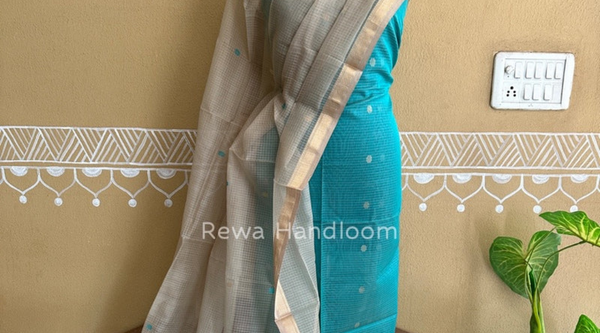
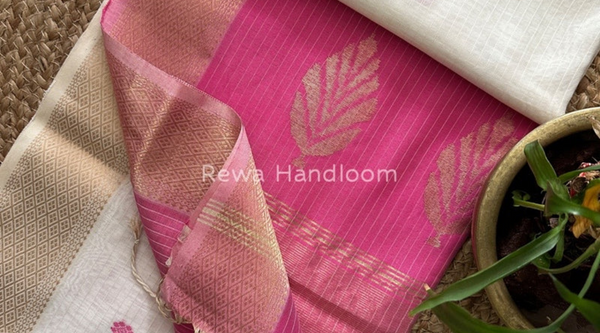
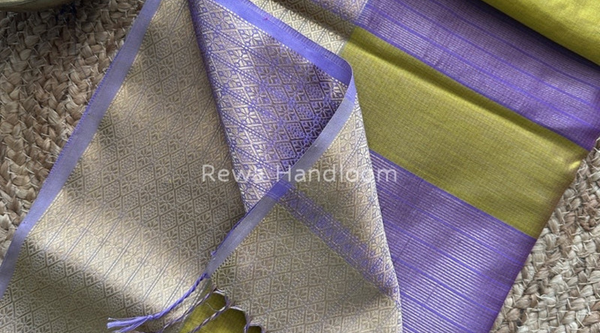
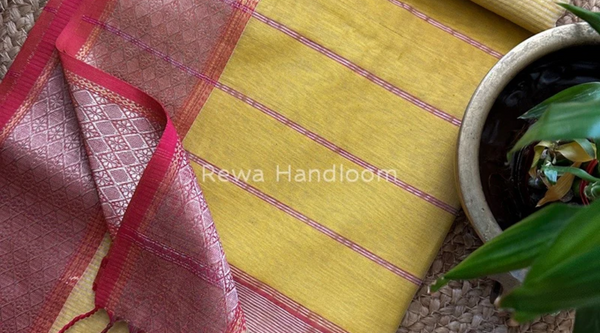
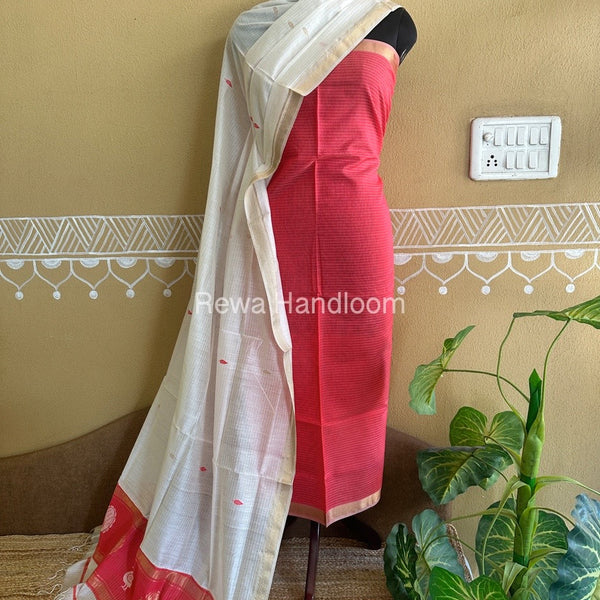
From the town of Chanderi in Madhya Pradesh, we find a complete contrast in the ethereal **Chanderi fabric**. Known for its lightweight, almost sheer texture, Chanderi is traditionally woven with a blend of silk and cotton. What makes it truly special is the delicate interplay of light and fabric. The body often features fine, woven motifs—tiny golden coins, floral patterns, or geometric designs—that sparkle subtly against the gossamer-like base. It’s the perfect choice for those who seek understated elegance.
3. The Grace of Maheshwari:
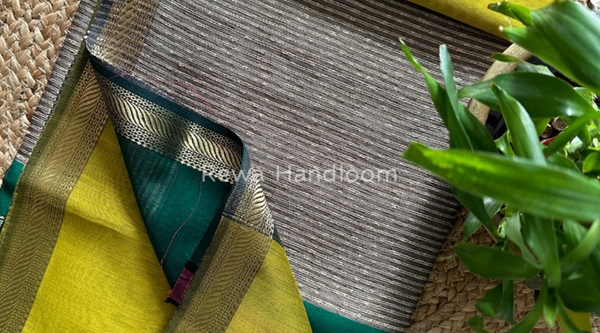
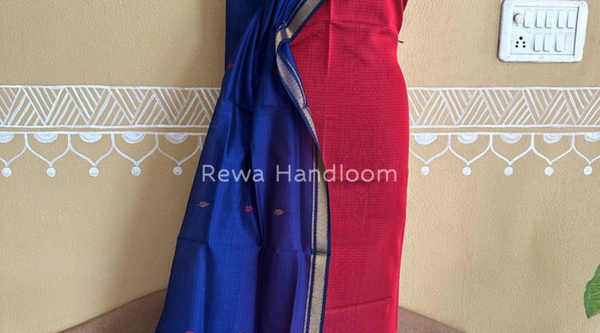
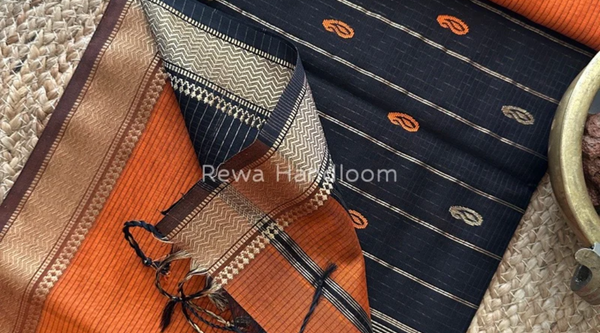
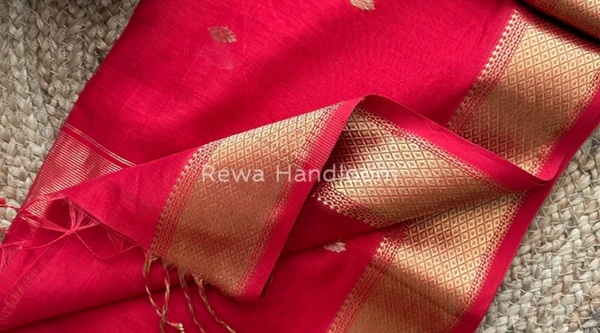
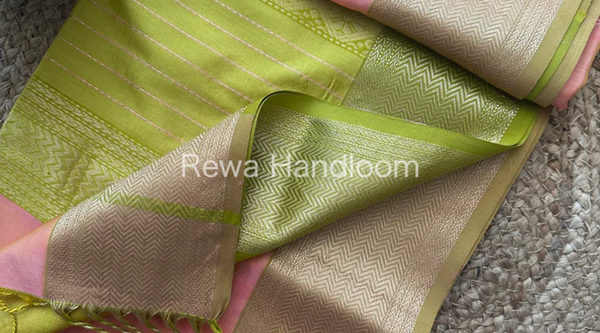
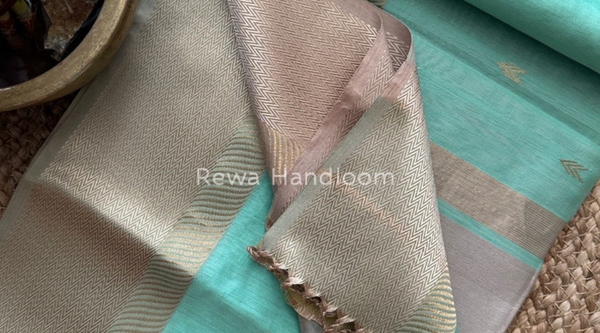
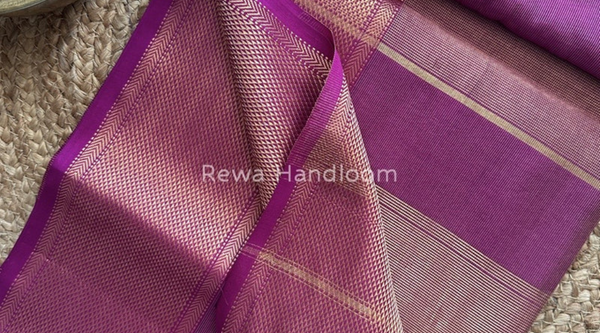
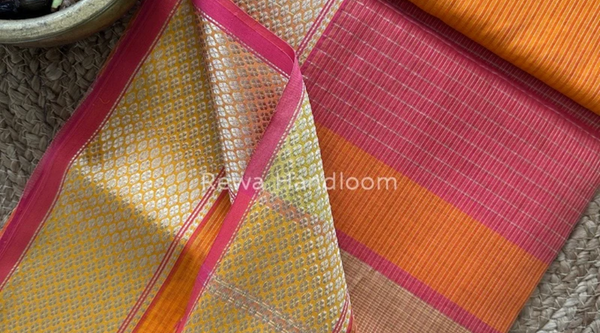
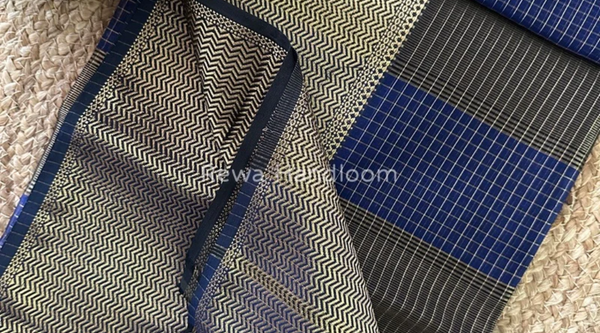
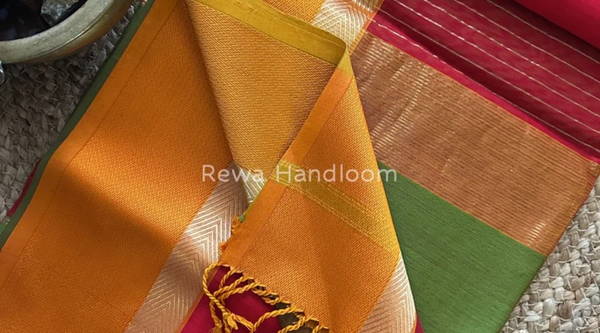
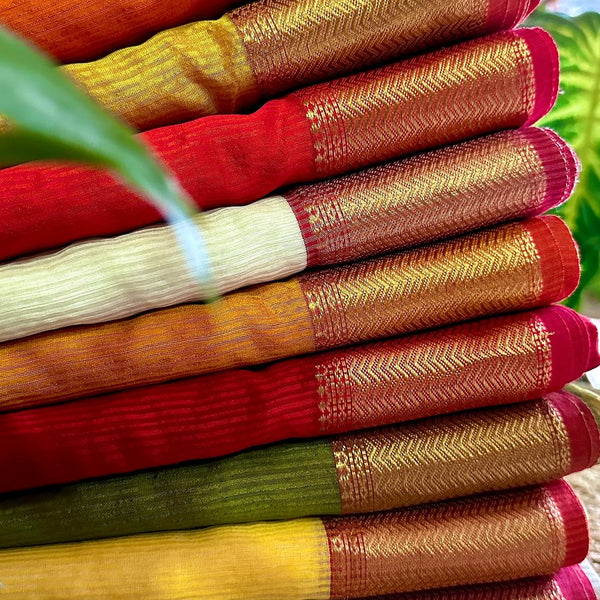
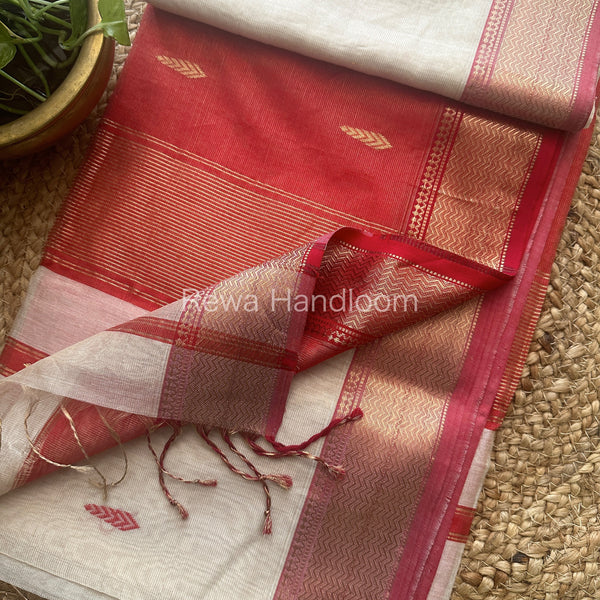
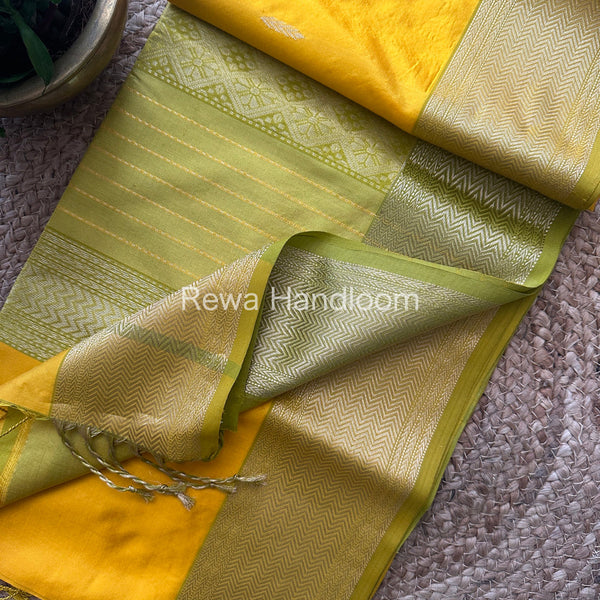
A short distance from Chanderi, in the historic town of Maheshwar on the banks of the Narmada, lies the home of the **Maheshwari saree**. Its creation is closely tied to the legendary Maratha queen, Maharani Ahilyabai Holkar, who was a great patron of the arts in the 18th century. She invited skilled weavers from Surat and Malwa to settle in Maheshwar, creating a legacy that endures to this day. Maheshwari sarees are known for their lightweight, airy feel, reversible borders, and distinctive patterns like the *Rui Phool* (cotton flower) and *Chatai* (mat weave). They are a beautiful blend of cultural richness and everyday comfort.
The Dravidian Grandeur and Western Indian Brilliance
As we move south and west, the looms produce fabrics of incredible vibrancy and structural beauty.
4. The Divine Kanjivaram:
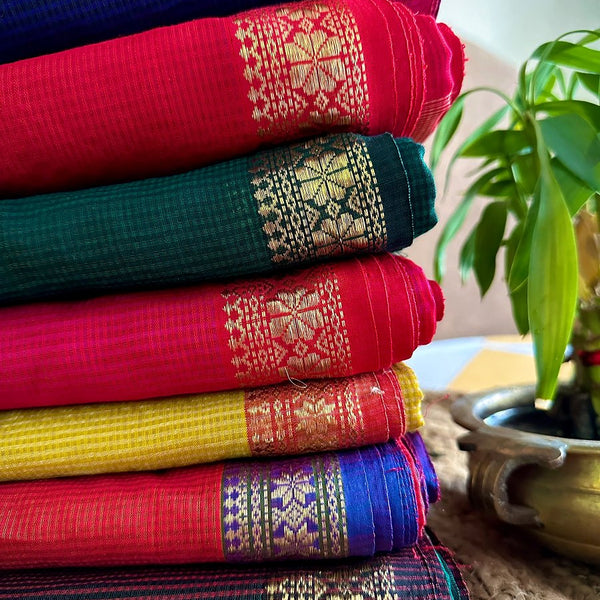
In Tamil Nadu, the city of Kanchipuram is synonymous with its stunning Kanjivaram (or Kanchipuram) silk sarees. These sarees are renowned for their body, durability, and luster. Woven with thick, pure mulberry silk and heavy zari, they are characterized by starkly contrasting borders and pallus, often featuring inspired temple motifs, checks, and stripes. A true Kanjivaram is worn by South Indian brides as a symbol of auspiciousness and is prized for its ability to be passed down as a family treasure.
5. The Vibrant Patola of Gujarat:
Hailed as one of the most complex textile weaving techniques in the world, the **Patola** from Gujarat is a marvel of skill and patience. It is a double ikat weave, meaning both the warp and weft threads are individually tie-dyed according to a precise pattern before they even meet the loom. The result is a fabric with motifs that are incredibly sharp and identical on both sides. Traditionally woven in vibrant colors and geometric patterns, a single Patola saree can take months to create, making it a prized possession and a symbol of status.
6. The Peacock Beauty of Paithani:
From the town of Paithan in Maharashtra comes the **Paithani saree**, easily recognized by its luxurious silk and its characteristic peacock and flower motifs woven into the pallu with gold zari. The square motifs on the pallu, known as *Muniya*, and the elaborate border designs make it a favorite for festive occasions. The rich history of the Paithani is linked to the Satavahana dynasty, and its enduring appeal lies in its vibrant colors and timeless designs.
The Unique Weaves of the East
The eastern states of India contribute their own distinctive voices to the handloom chorus.
7. The Ikat Variations: Sambalpuri and Pochampally
Ikat is a resist-dyeing technique, and two of its most famous proponents are Sambalpuri from Odisha and Pochampally from Telangana.
Sambalpuri ikat, often called *Bandhakala*, is known for its intricate, blurred patterns, where the design is dyed into the yarns before weaving. Motifs inspired by nature and tribal art, like the *shankha* (shell) and *chakra* (wheel), are common.
Pochampally ikat is famed for its precise geometric patterns, creating stunning optical illusions. Both crafts produce fabrics that are comfortable, durable, and visually captivating.
8. The Storytelling Baluchari:
Hailing from West Bengal, the **Baluchari saree** is unique for its narrative quality. Woven primarily in silk, its pallu often depicts scenes from the Hindu epics, the Ramayana and Mahabharata, as well as courtly processions and mythological tales. This intricate art form, revived in the 20th century, transforms a saree into a canvas, weaving stories of gods, kings, and ancient traditions.
### The Delicate Embroideries and Airy Textiles
9. The Romantic Chikankari:
Moving away from the loom to the needle, we find the delicate art of **Chikankari** from Lucknow. This is a form of intricate, white-on-white embroidery on fine fabrics like cotton, muslin, and silk. Introduced by Nur Jahan, the Mughal empress, it features a variety of stitches, from the raised *phanda* to the delicate *jaali* (net) work, creating a shadow effect that is both elegant and sophisticated. It’s the epitome of graceful, understated luxury.
10. The Lightweight Kota Doria:
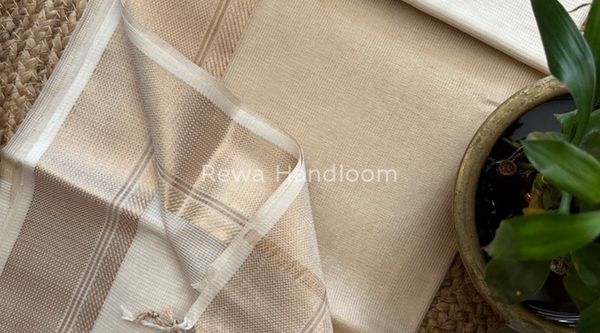
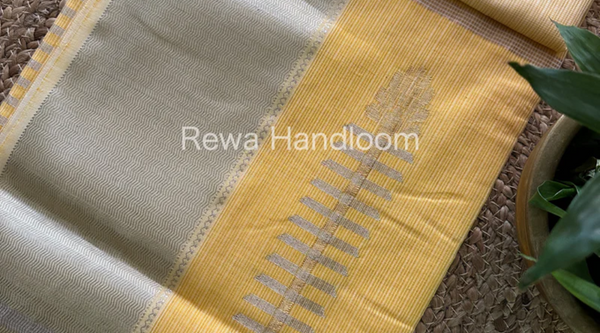
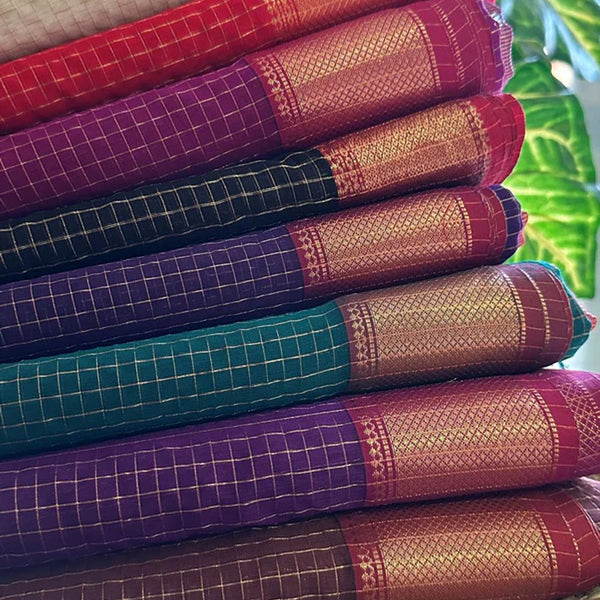
Finally, from the sun-baked lands of Rajasthan comes **Kota Doria**. Known for its distinctive square-check pattern, locally called *khat*, this fabric is incredibly lightweight and airy. Woven on special looms, the unique structure makes it perfect for the region's warm climate. A Kota Doria saree drapes beautifully and is a perfect example of function meeting timeless style.
Why Handloom Matters: The Artisan's Legacy
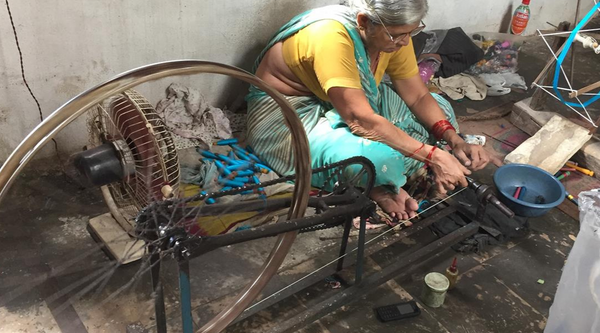
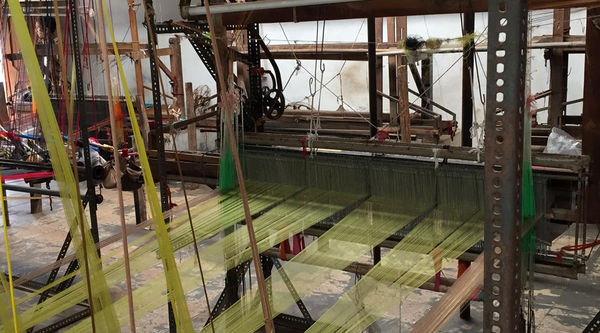
Creating a handloom fabric is a labour of love. It begins with dyeing the yarn, then meticulously setting up the loom by threading thousands of fine warp threads according to a precise plan. The weaver then works the loom with hand and foot, their years of experience guiding every movement to create the desired pattern. It is slow, mindful, and deeply skilled work—a far cry from the speed of machine-made textiles.
In a world of fast fashion, these crafts and the communities of weavers who keep them alive face significant challenges. Yet, there is a beautiful resurgence of interest, a conscious move towards sustainability and heritage.
At Rewa Handloom, we are committed to being a part of this beautiful revival. We work directly with skilled artisans and trusted cooperatives to bring you authentic, handcrafted pieces. When you choose a handloom product from Rewa Handloom, you are not just buying a piece of fabric. You are:
- Owning a piece of art:** A unique creation, woven with patience and precision.
- Supporting a legacy:** Empowering artisan communities and helping preserve centuries-old traditions for future generations.
- Choosing sustainability:** Embracing a slow-fashion choice that is kind to the planet.
Explore our collection and discover the weave that tells your story. Let's keep the timeless legacy of Indian handlooms alive, one thread at a time.
**#RewaHandloom #HandloomOfIndia #WeaversOfIndia #TimelessTraditions #IndianTextiles #SareeLove #SustainableFashion**