






Maheshwari Sarees: How to Identify Authentic Pieces with Ease
Are you enchanted by the timeless charm of maheshwari sarees but unsure how to distinguish authentic treasures from imitations? Maheshwari sarees, renowned for their intricate craftsmanship and signature reversible borders, embody centuries of weaving heritage from the town of Maheshwar in Madhya Pradesh. This guide will walk you through the essential markers to identify a genuine maheshwari silk saree, ensuring that your investment celebrates true artisan skill rather than mass-produced replicas.
Recognizing the Signature Fabric and Texture of Maheshwari Sarees
The Unique Silk-Cotton Blend
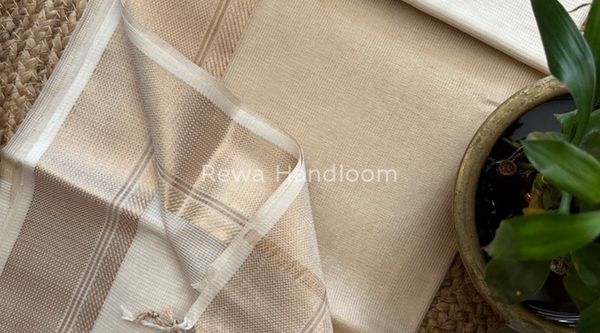
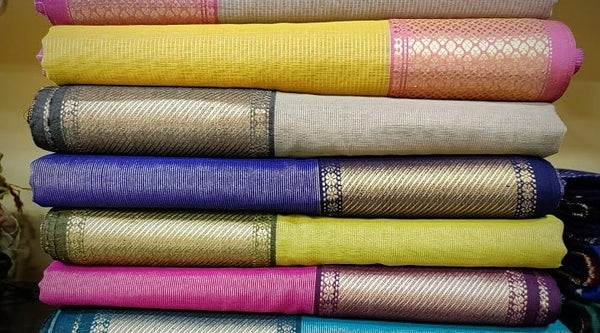
At the heart of every authentic maheshwari saree lies its distinctive fabric—a lightweight blend of silk and cotton. This combination gives the saree a subtle sheen from the silk woven with the breathable and crisp texture of cotton. Running your fingers over the fabric reveals a balanced softness with a slight firmness, ideal for elegant draping.
Feel and Weight: What to Expect
Genuine Maheshwari silk sarees are known for being surprisingly light yet durable. They are never heavy or bulky, which distinguishes them from synthetic or machine-made imitations. A pure maheshwari silk saree feels graceful in the hand, with the silk threads lending a soft luster without an overly glossy or synthetic slip.
Examining Borders and Pallus: The Hallmarks of Authenticity
Reversible Borders: The Bugdi Signature
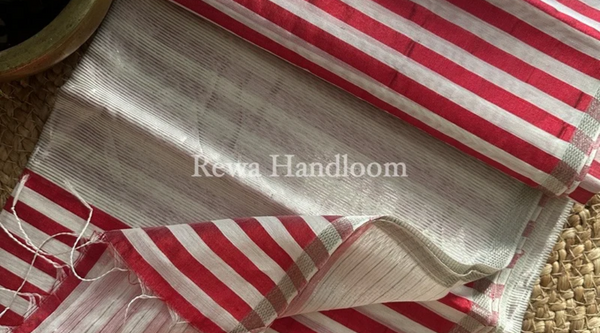
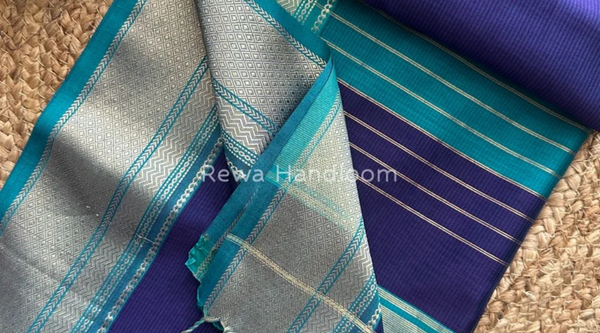
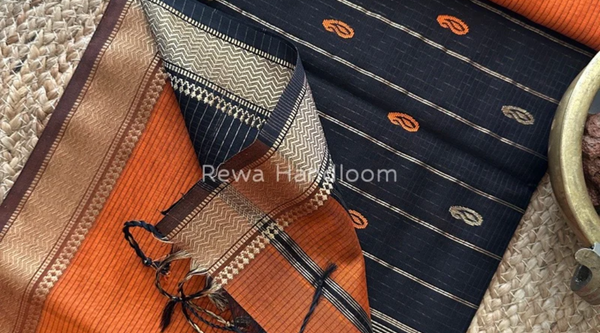
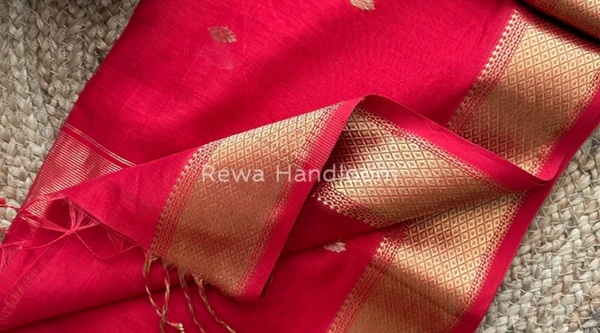
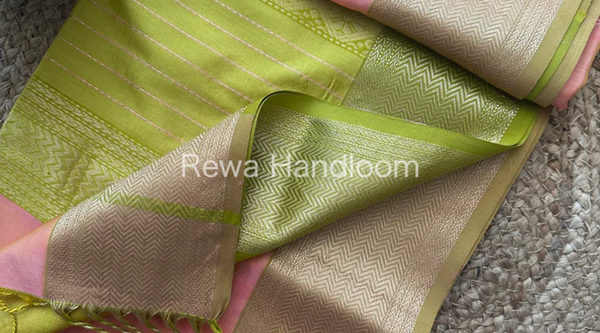
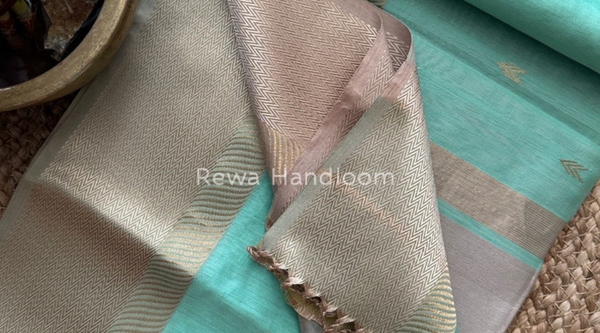
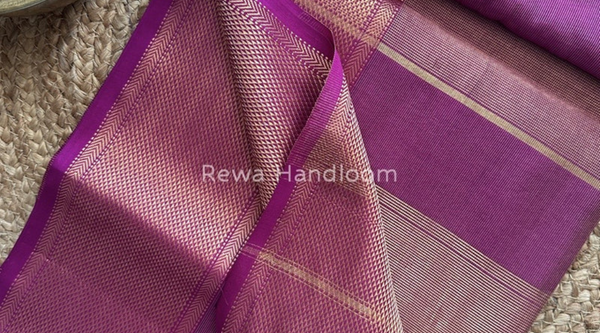
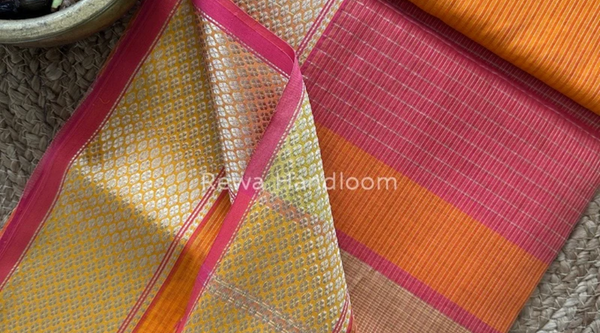
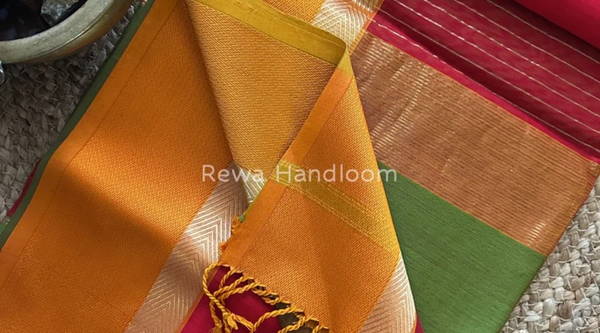
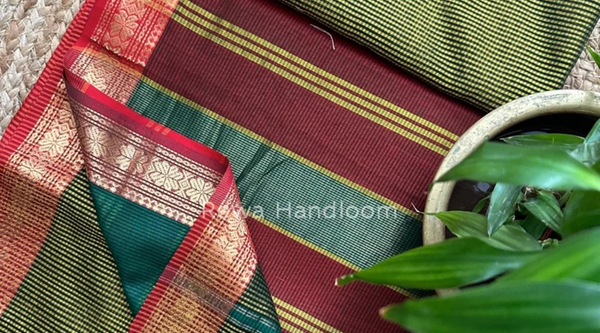
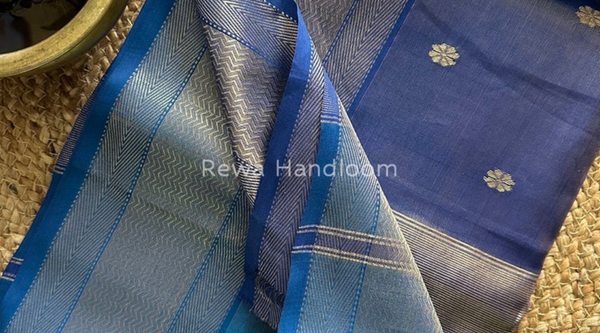
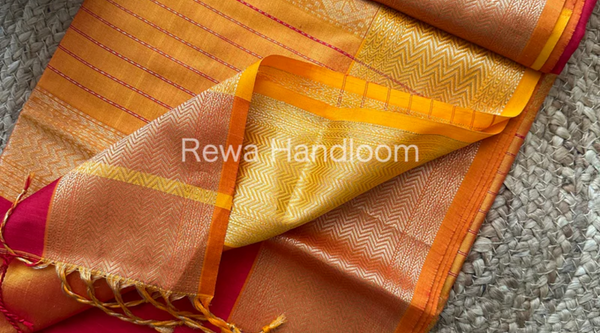
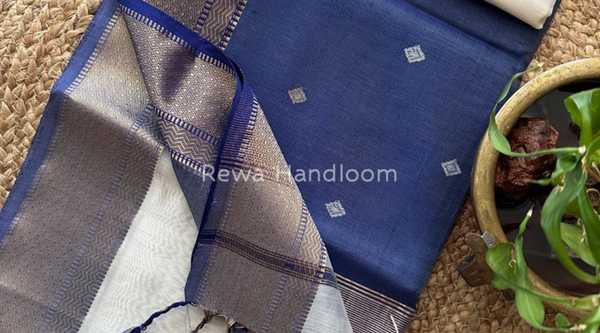
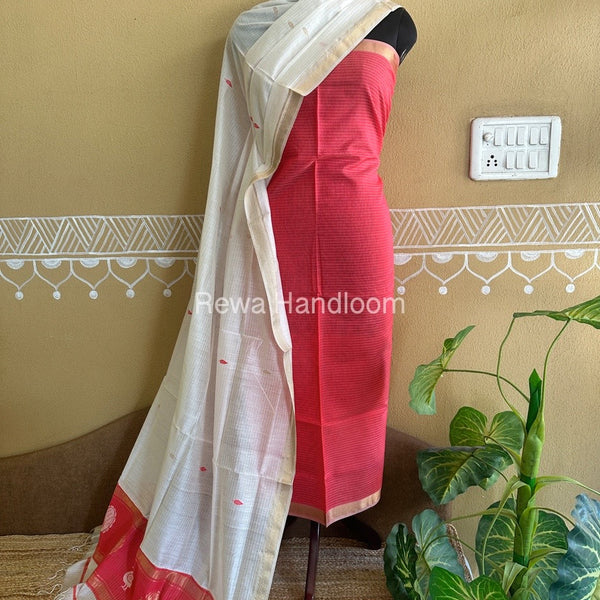
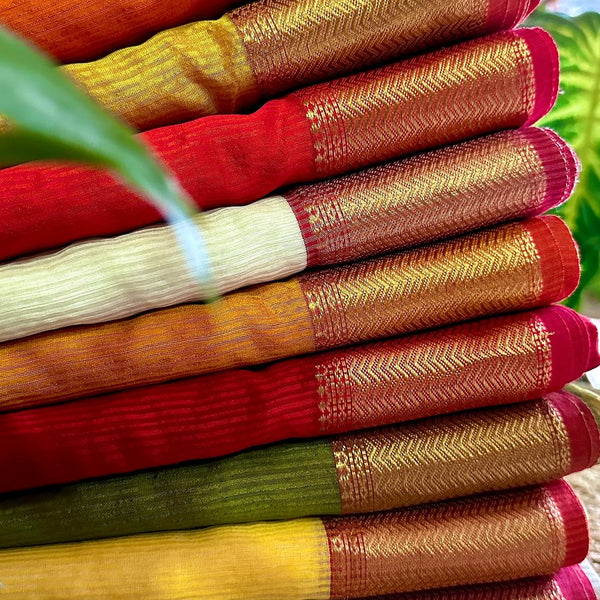
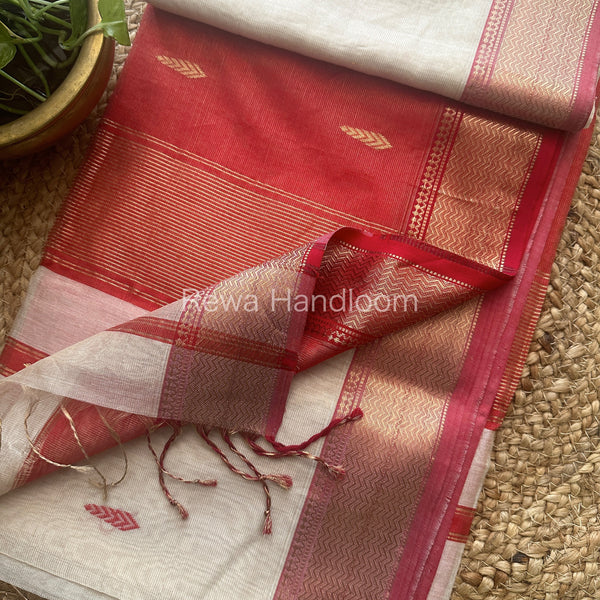
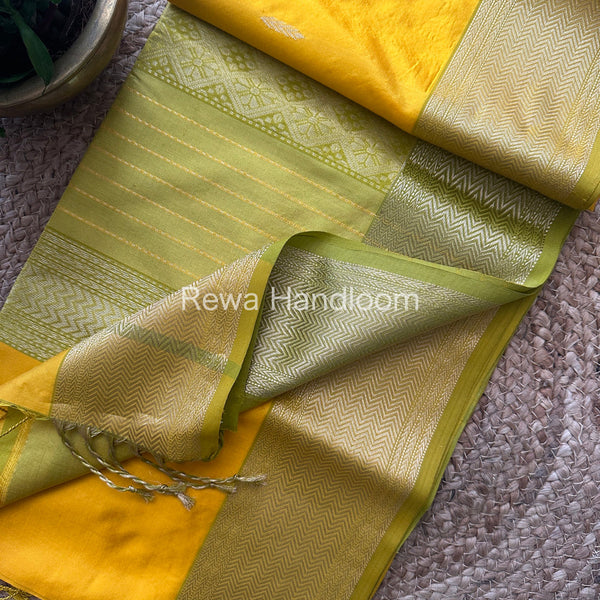
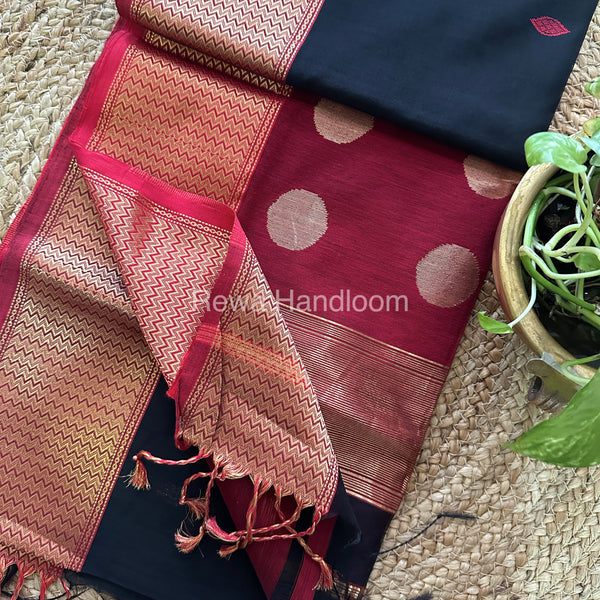
One of the most celebrated characteristics of Maheshwari sarees is their reversible border, famously known as the Bugdi border. This craftsmanship allows the saree to be worn from both sides without loss of design integrity, a feature that few sarees possess.
Intricate Zari Work and Distinctive Pallus
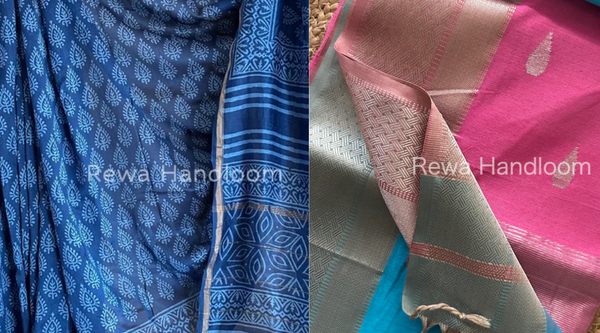
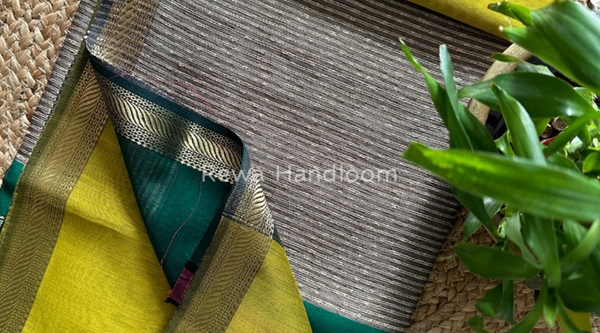
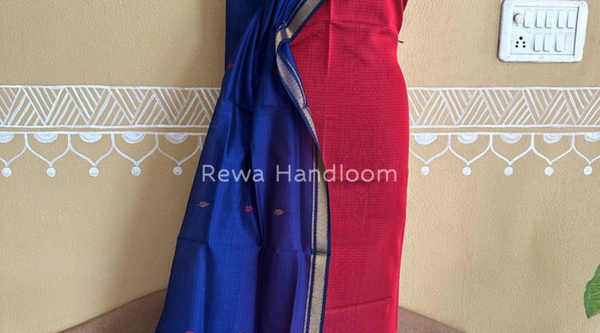
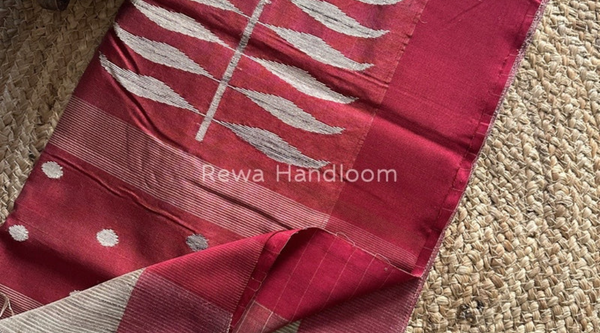
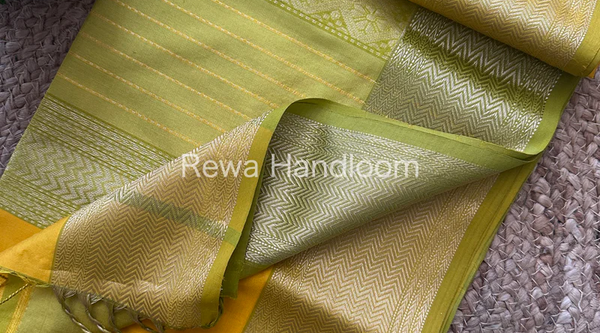
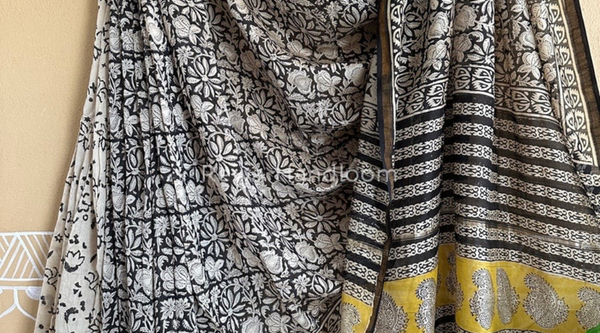
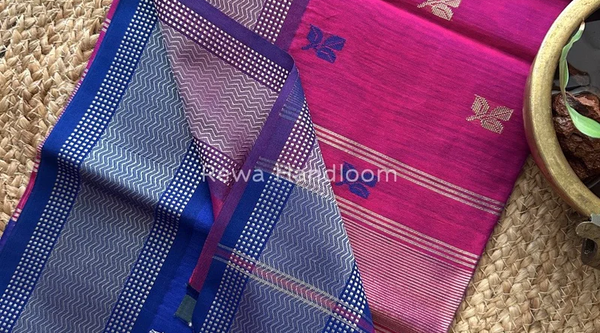
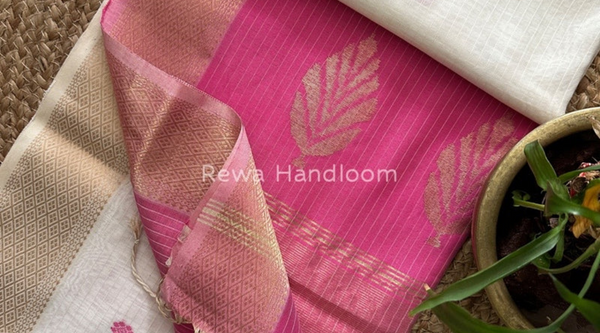
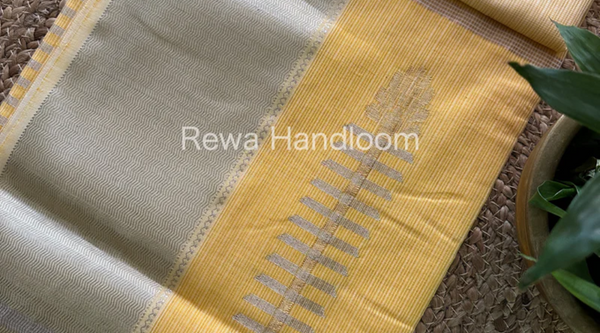
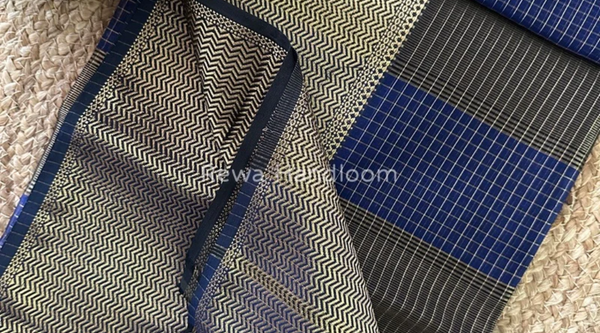
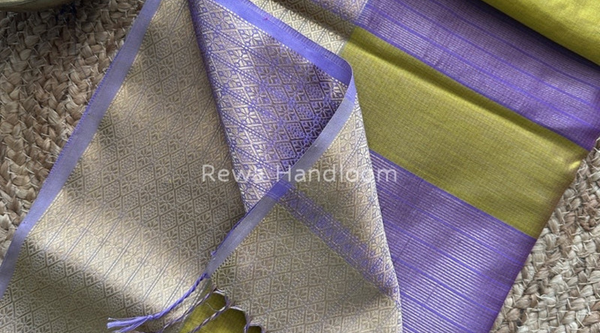
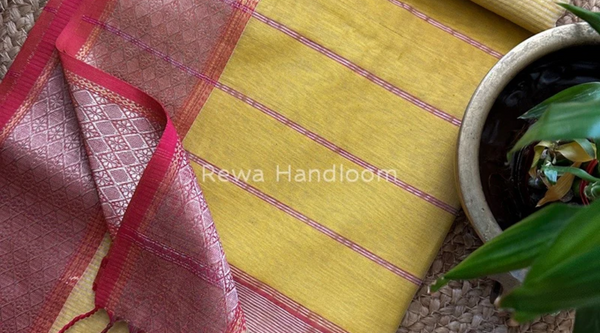
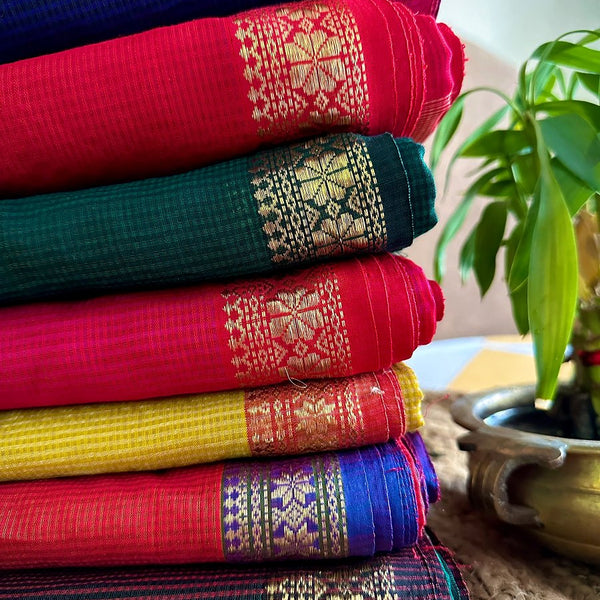
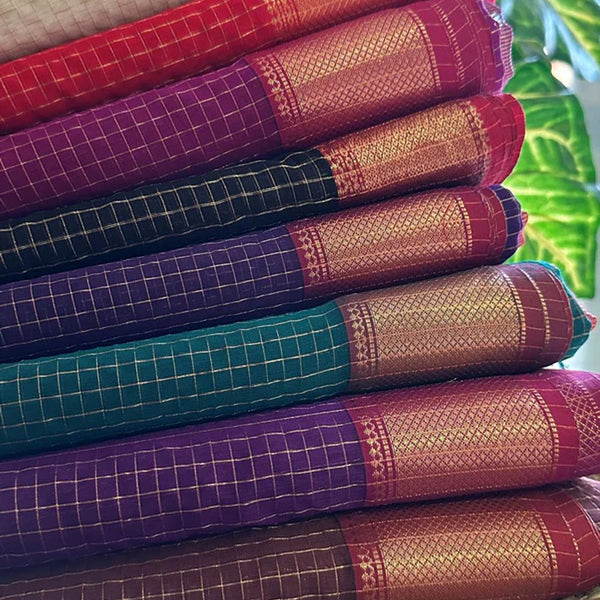
Authentic maheshwari silk sarees often sport zari borders woven with fine gold or silver thread, applied in traditional motifs such as brick patterns, chatai (mat), and floral vines. The pallu, or decorative end-piece, typically features five stripes—three colored stripes flanked by two white ones—underscoring its handwoven heritage. These patterns should look sharp yet show slight human irregularities, reflecting artisanal weaving, not machine precision.
Spotting Traditional Designs and Motifs in Maheshwari Sarees
Geometric Simplicity Rooted in History
The design language of Maheshwari sarees embraces geometric motifs inspired by Maheshwar’s architectural heritage. Popular motifs include:
- Chatai (mat pattern)
- Eent (brick pattern)
- Heera (diamond shape)
- Rui Phool (cotton flower)
These motifs are woven with precision onto the saree body and border, creating a subtle yet sophisticated aesthetic that symbolizes the saree’s cultural roots.
Understanding Weave Patterns
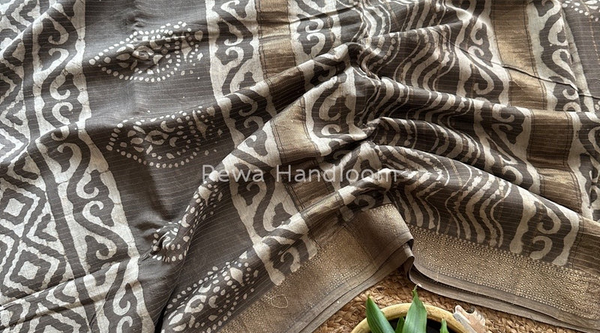
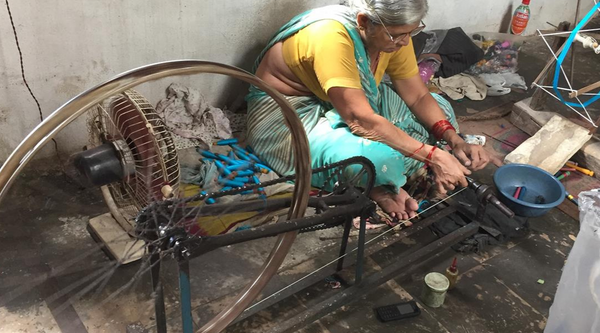
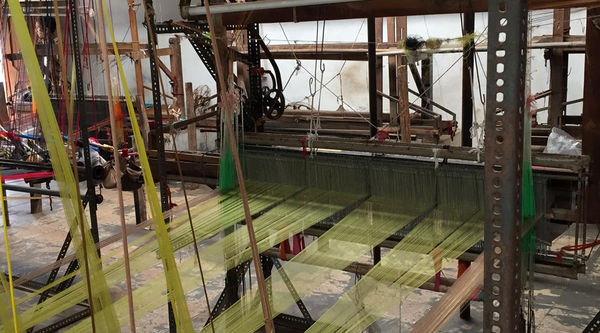
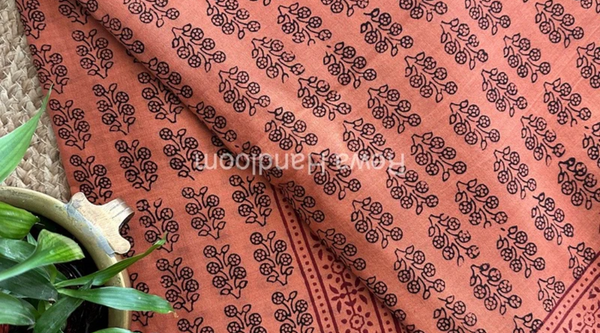
Authentic maheshwari saris come in various weave patterns such as stripes, checks, or plain bases, each enhanced by horizontal zari lines. The weave should display slight tension variations and subtle imperfections—a testament to the handloom process—rather than an overly uniform texture typical of powerloom sarees.
Importance of Certification and Origin Verification
Handloom Mark and Government Certifications
Look for the Handloom Mark or certification tags issued by India's Ministry of Textiles, which assure that the maheshwari saree is handwoven by skilled artisans adhering to traditional methods. Additionally, the Geographical Indication (GI) tag specifically authenticates Maheshwari sarees originating from Maheshwar.
Reputable Sources and Labels
Certified sales points will often provide artisan information or cooperative society tags, such as those by the Rehwa Society, which support sustainable and ethical weaving practices. Avoid purchases without such certifications as these are often mass-produced imitations, lacking heritage and durability.
How to Avoid Fake Maheshwari Sarees (Machine-made / Powerloom-made): Key Red Flags
- Excessive threads: Excessive threads are on the back side of Butti/Motifs, which can be easily removed for spot.
- Burn Test of Silk Thread: You can check for the natural thread by burning it. If it is pure silk, it converts into ash; otherwise artifical thread will be converted into knots.
- Stiffness on Feel: It will be very stiff when we touch the fabric and less shiny than the original handwoven sarees made from natural silk and cotton.
- Overly Shiny or Rough Texture: Synthetic fabrics mimic silk but often feel less supple and heavier.
- Non-Reversible Borders: Machine-made imitations lack the hallmark reversible Bugdi borders.
- Lack of Certifications: Absence of Handloom Mark or GI tags is a warning sign.
- Uniformity Without Imperfections: Handwoven sarees exhibit minor weaving irregularities; perfection indicates machine production.
- Suspiciously Low Prices: It can be available at a low price, such as 900/- to 2000/- Rs, than Handwoven Sarees. Authentic maheshwari silk sarees demand a premium due to the labor-intensive craftsmanship.
Tips for Buying Maheshwari Sarees Online and Offline
Verify Seller Credentials and Reviews
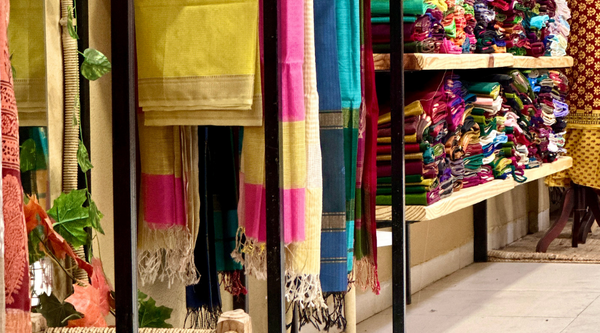
Whether purchasing online or at a physical showroom, always confirm the seller’s credibility. Look for transparency about the saree’s origin, weaving process, and certifications. Customer reviews with detailed product photos are invaluable when buying online. Check Offiline for Quality and Online for Review hence Rewa is omnicahnel avialable , you can shop online authentic handwoven sarees and dress materials at https://rewahandloom.com.
Request Detailed Product Images and Descriptions
For online purchases, ask for close-ups of the borders, pallus, weave patterns, and tags. Authentic maheshwari sarees showcase fine zari shimmer and handwoven texture that a simple photo can reveal to a discerning buyer.
To sum up, identifying authentic Maheshwari sarees rests on understanding their signature silk-cotton fabric, reversible borders, traditional motifs, and certified origin. These sarees carry the legacy of skilled weavers and centuries-old techniques that reflects Indian textile artistry in its purest form. Embrace this knowledge to confidently select genuine maheshwari sarees and cherish a timeless heirloom woven with heart and heritage. To explore exquisite, authentic collections, dive deeper into trusted artisan platforms, and experience the true beauty of maheshwari silk.