






How to Identify an Authentic Chanderi Silk Saree (Real vs Fake Guide)
Chanderi silk sarees are among the most coveted handwoven textiles in India, prized for their sheer, glossy texture and feather-light drape. Because they are so admired, the market is also flooded with machine-made imitations that copy the look but not the craft. Learning to tell a genuine Chanderi from a fake protects both your money and the weavers whose livelihoods depend on this 700-year-old tradition. Here is a practical guide to spotting the real thing.
1. Examine the Sheer, Glossy Transparency
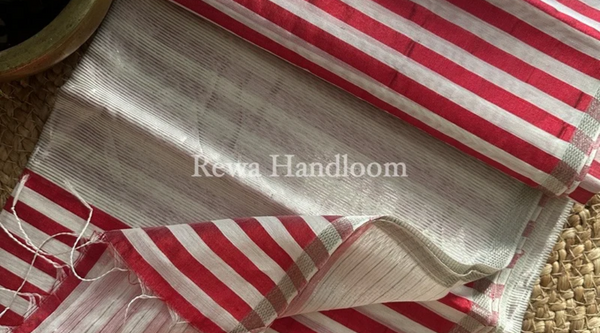
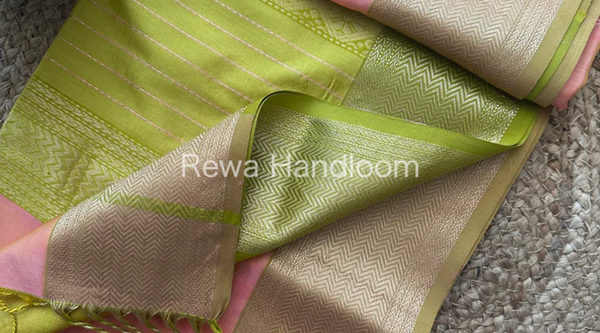
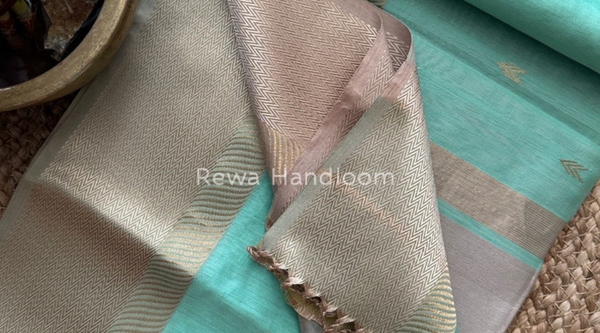
Authentic Chanderi fabric is famous for its glass-like transparency. This sheerness comes from the use of unbleached, non-degummed yarn that retains its natural shine. Hold the saree against light: a genuine Chanderi glows with a soft, even luminosity, while a power-loom copy often looks flat, stiff, or uniformly opaque.
2. Feel the Texture and Weight
A real Chanderi feels remarkably light and airy yet has a subtle crispness. The hand-spun and hand-woven yarn gives it a delicate, breathable quality. Synthetic imitations tend to feel slippery, plasticky, or unnaturally smooth, and they often drape heavily rather than floating.
3. Look for Slight Weaving Irregularities
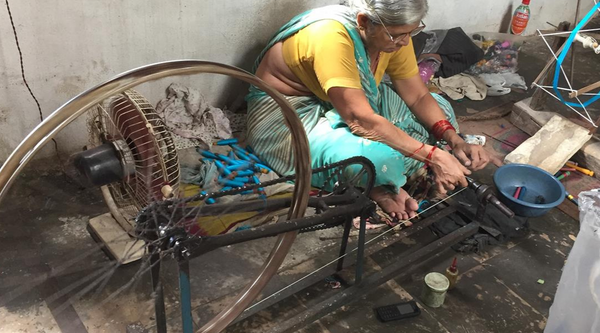
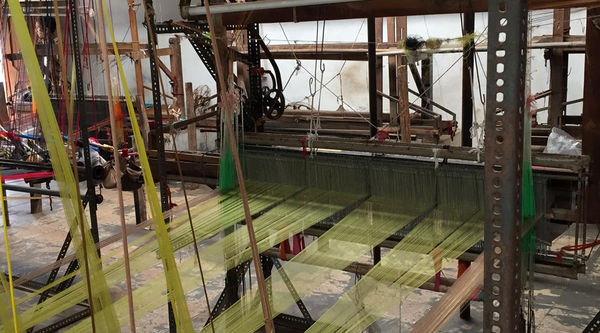
Handloom weaving naturally produces tiny irregularities in the weave, the occasional uneven thread, a slightly varied motif, or a small knot on the reverse. These imperfections are a hallmark of authenticity. Machine-made fabric is flawlessly uniform, which is actually a warning sign rather than a sign of quality.
4. Inspect the Zari and Motifs
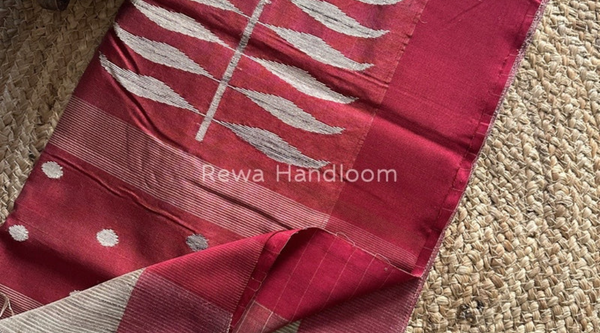
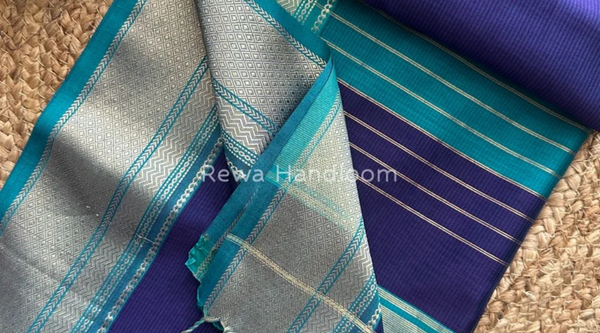
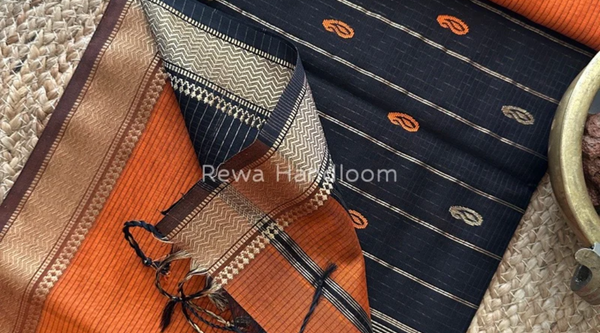
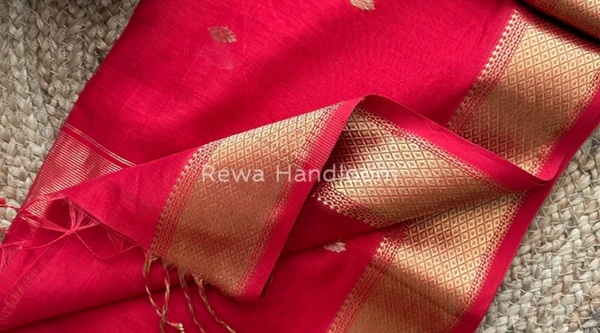
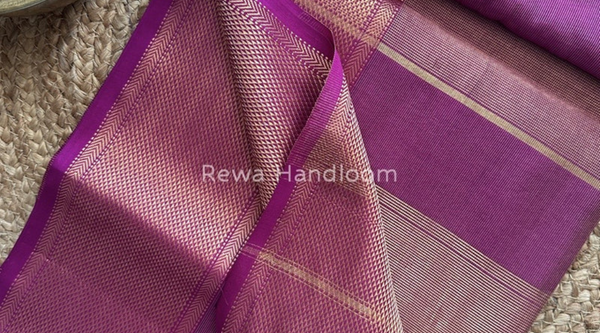
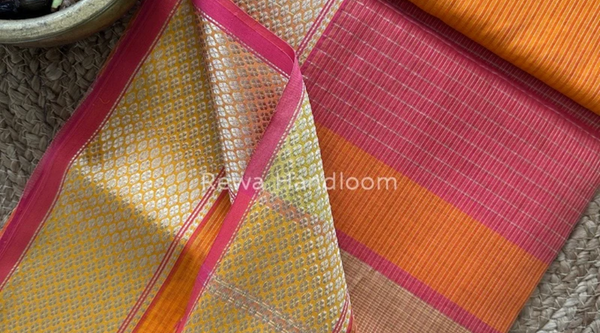
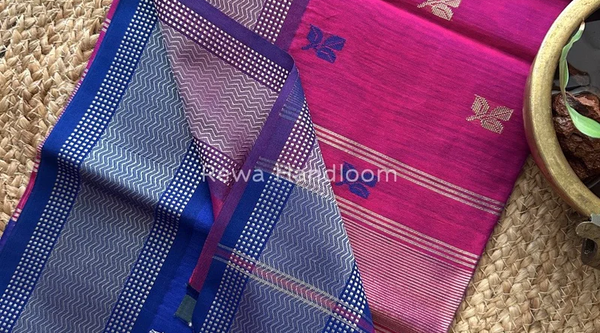
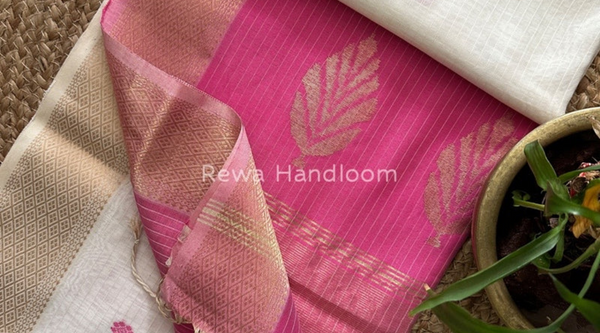
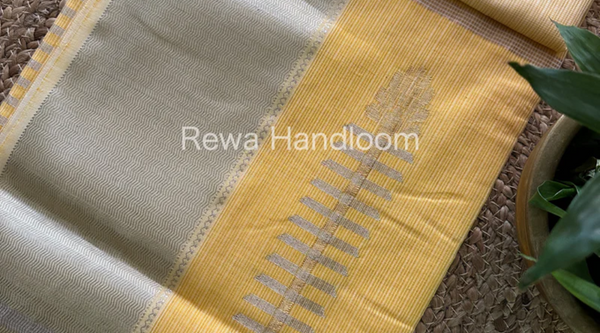
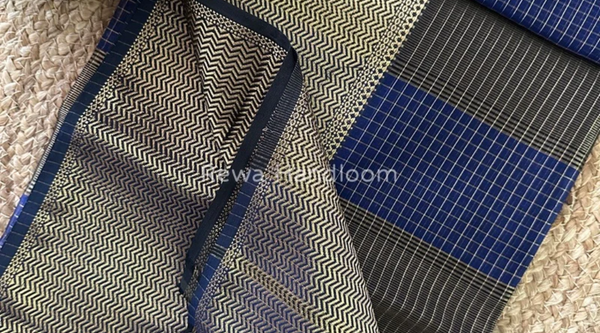
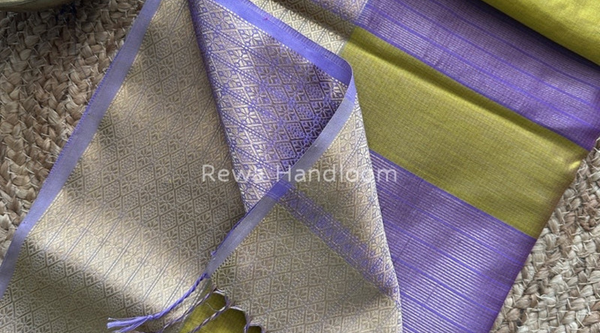
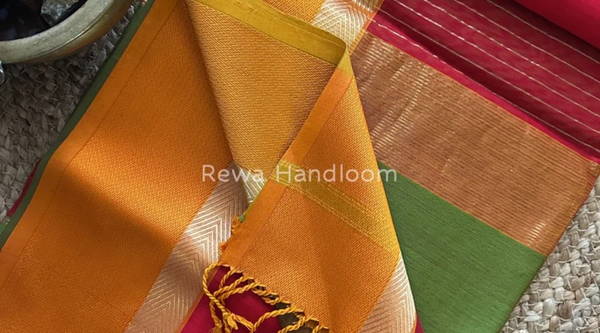
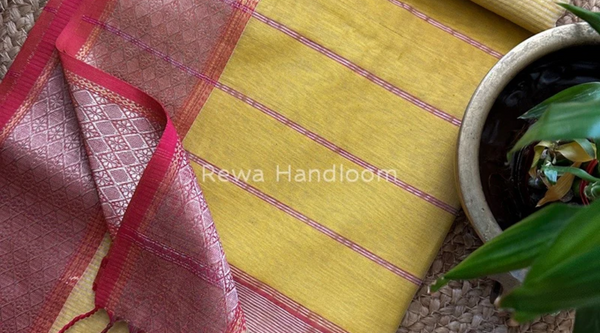
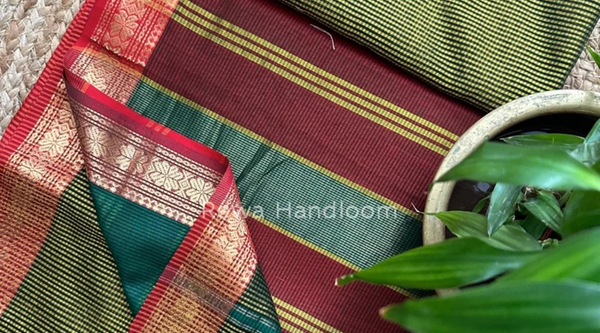
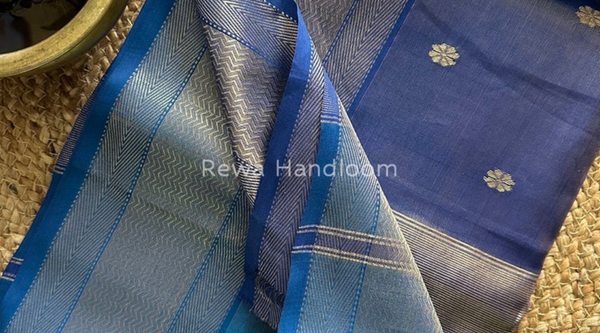
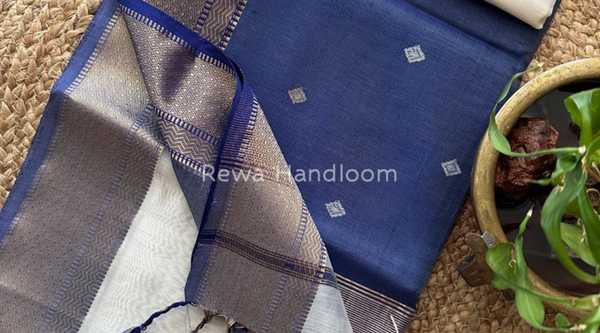
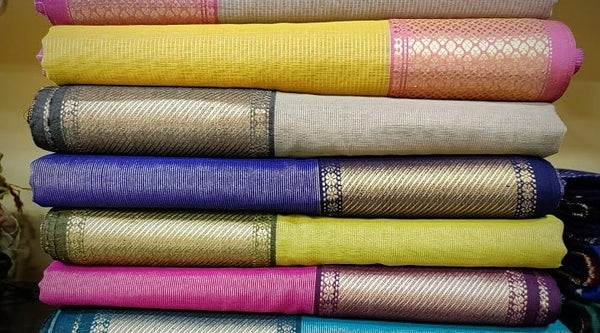
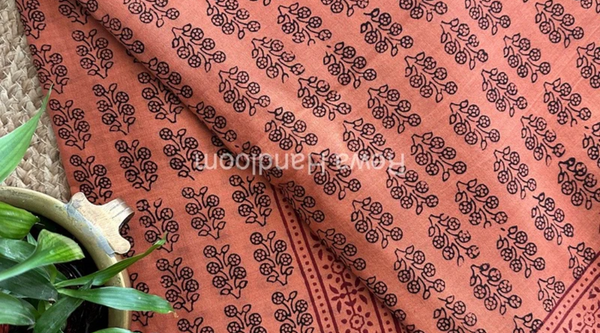
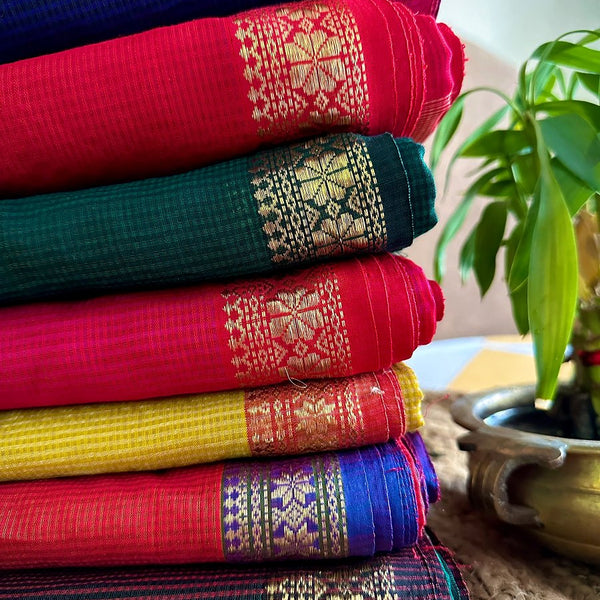
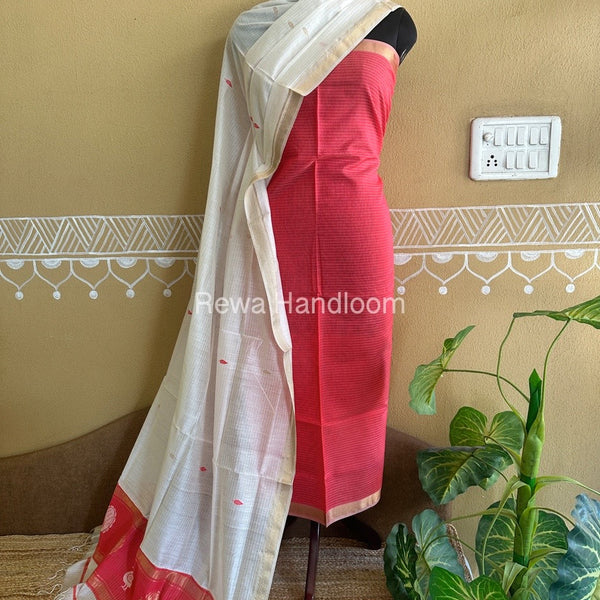
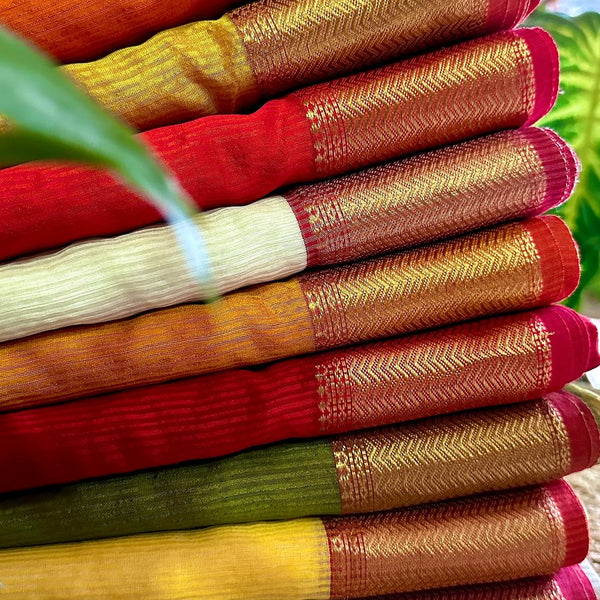
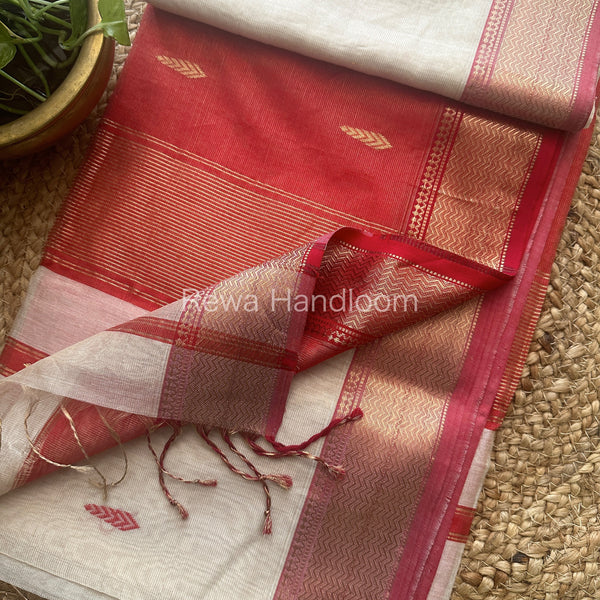
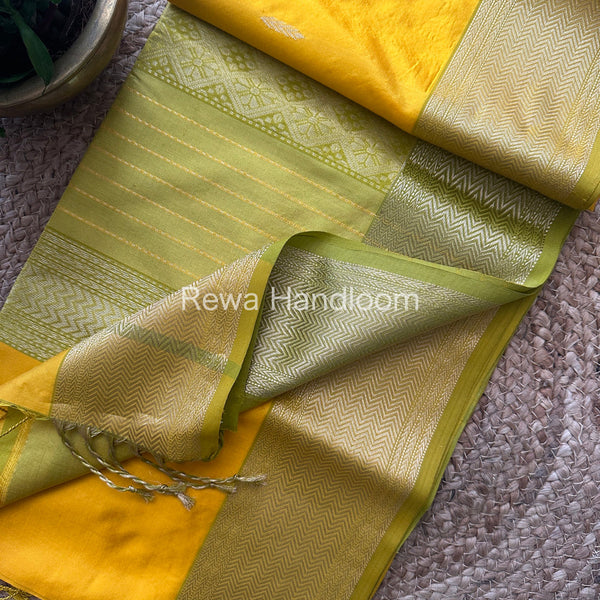
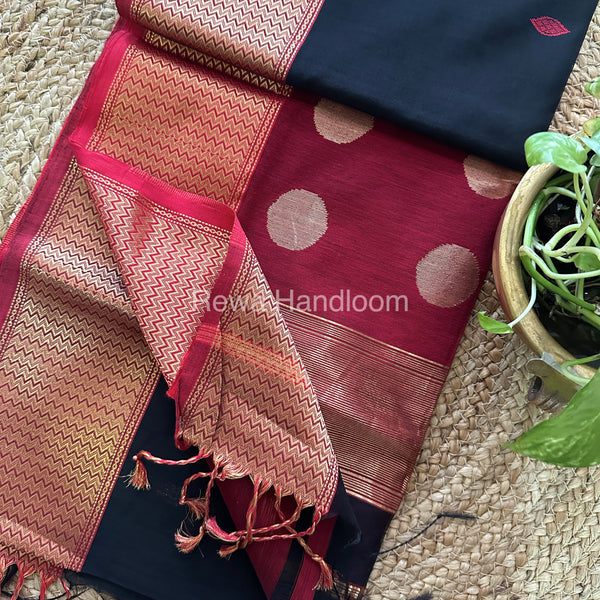
Traditional Chanderi motifs such as coins (asharfi), peacocks, lotuses, and geometric buttis are woven into the fabric, not printed on top. Run your fingers over the design: in a genuine saree you can feel the raised threadwork on both sides. Real zari has a rich, slightly muted gold tone, whereas fake zari looks overly bright and tarnishes quickly.
5. Check the Reverse Side
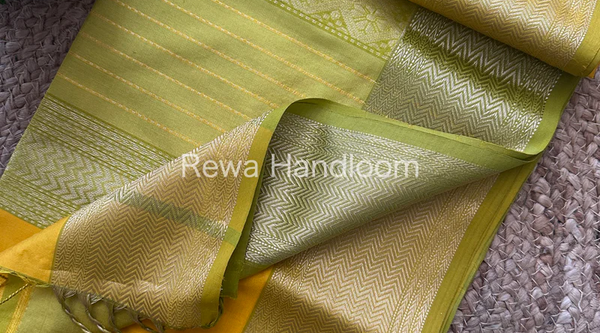
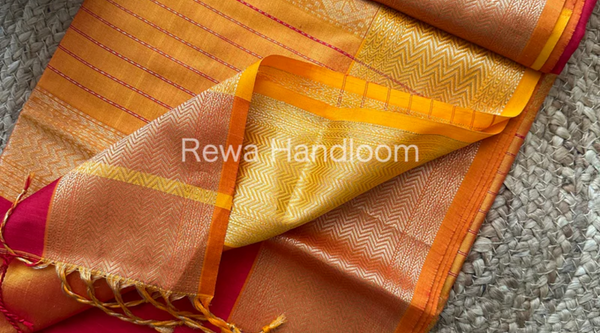
Turn the saree over. In handwoven Chanderi, the motifs and extra-weft threads are visible on the back, often with loose thread floats between motifs. A printed or embroidered imitation will not show the same clean woven pattern on the reverse.
6. The Burn Test (Use With Caution)
If you can spare a loose thread, pure silk burns slowly, smells like burnt hair, and leaves a crushable ash. Synthetic fibres melt into a hard bead and smell of plastic. Only attempt this on a stray thread, never on the saree itself.
7. Ask About the Weave Composition
Chanderi comes in a few authentic varieties, including pure Katan silk, silk-cotton blends, and cotton. A trustworthy seller will clearly tell you the exact composition. Vague answers or unbelievably low prices for "pure silk" are red flags.
8. Buy From Trusted Handloom Sources
The most reliable way to guarantee authenticity is to buy from weaver cooperatives, handloom brands, or sellers who can trace the saree back to Chanderi artisans. Look for handloom marks and clear sourcing information.
Final Thoughts
A genuine Chanderi silk saree rewards you with timeless elegance, breathability, and a piece of living heritage. By checking transparency, texture, motifs, and sourcing, you can confidently invest in the real thing. Explore our handpicked Chanderi Sarees Collection to discover authentic, weaver-made pieces crafted with genuine care.