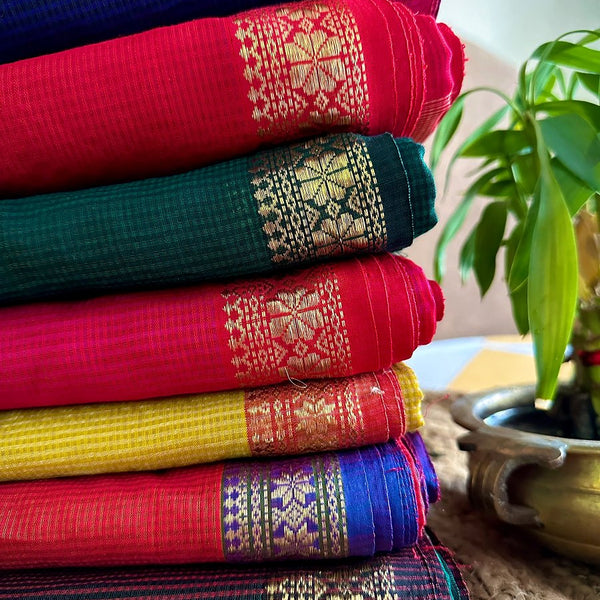


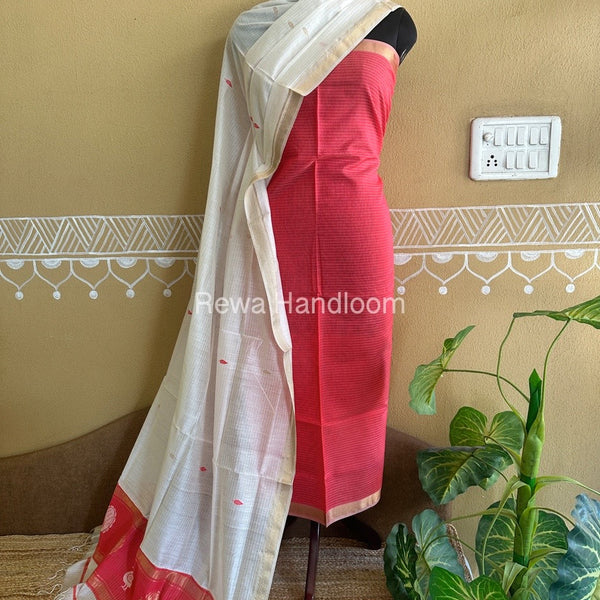
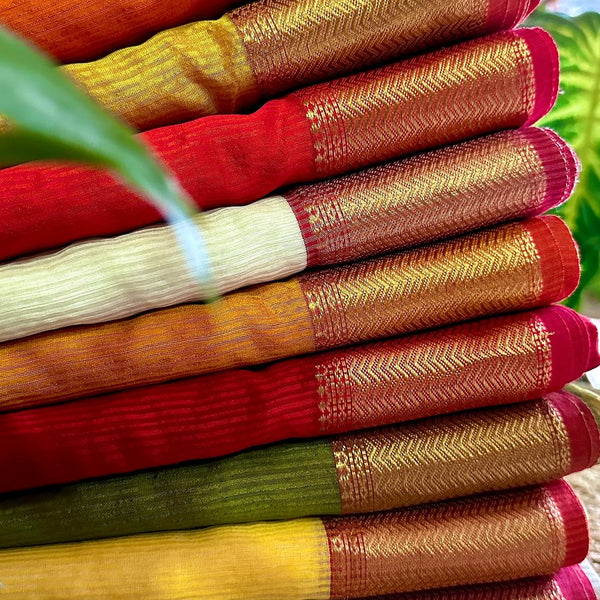
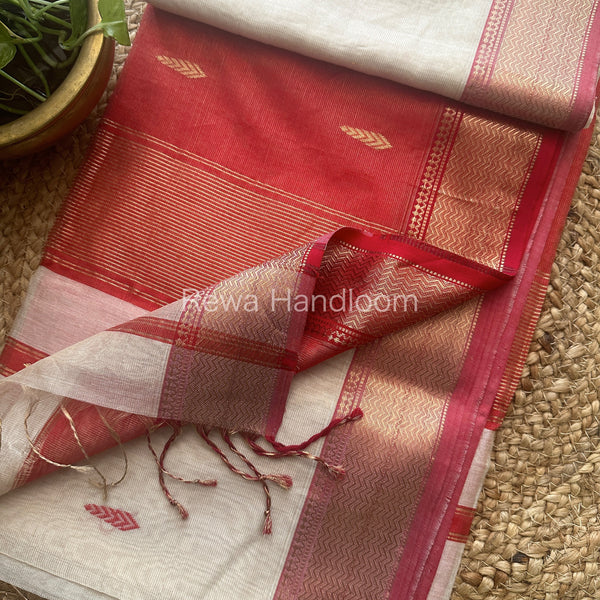





Maheshwari Sarees माहेश्वरी साड़ियाँ
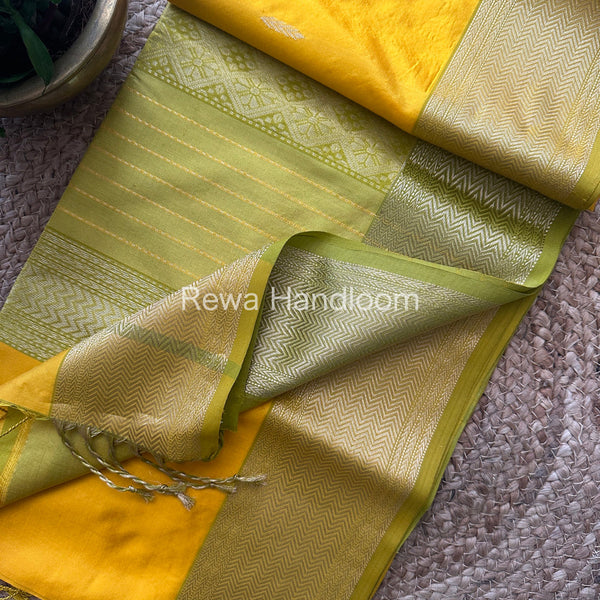
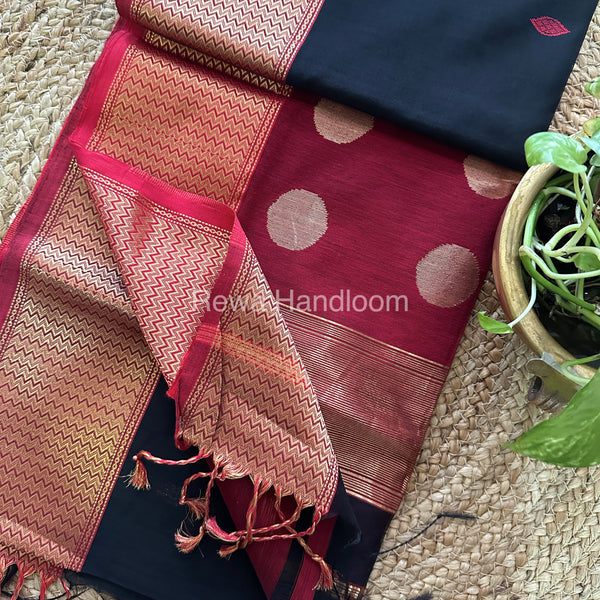
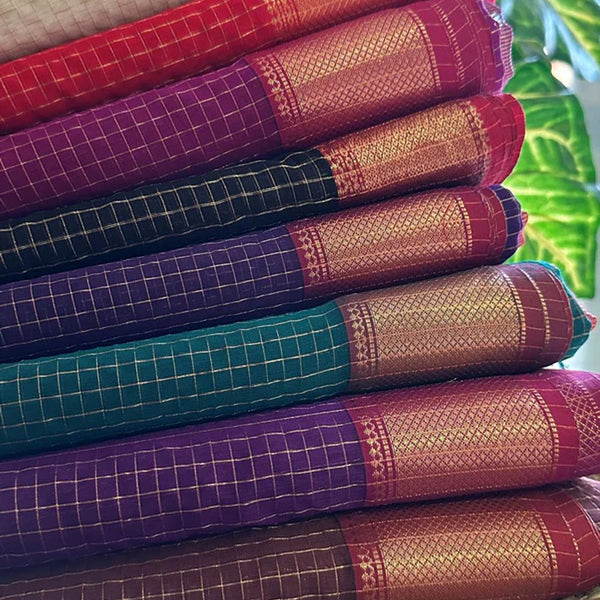
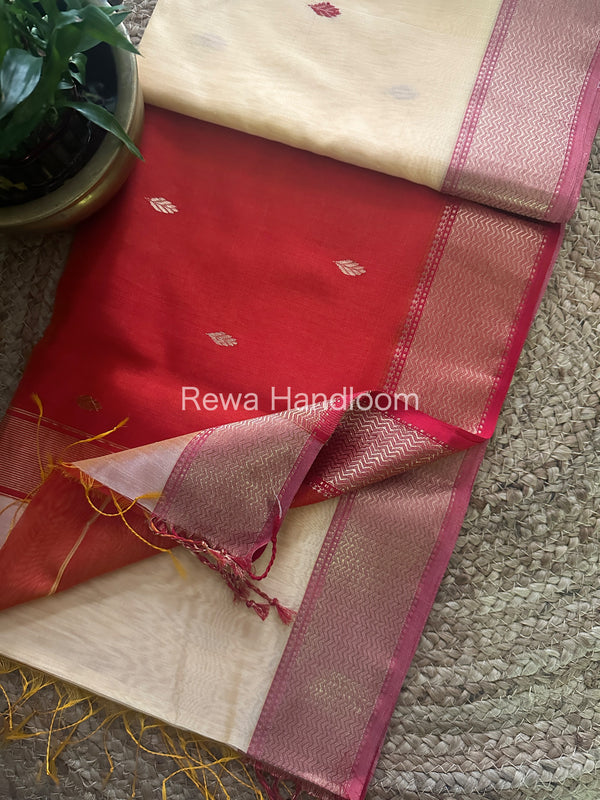
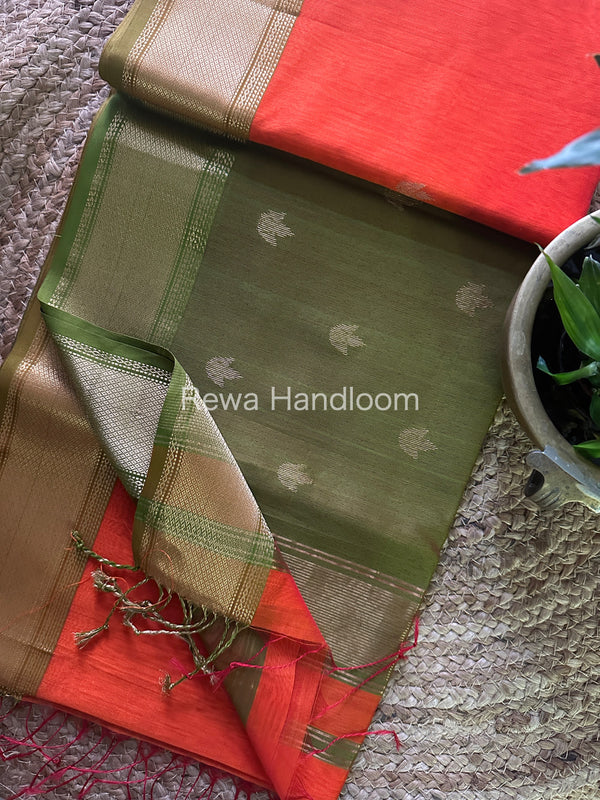
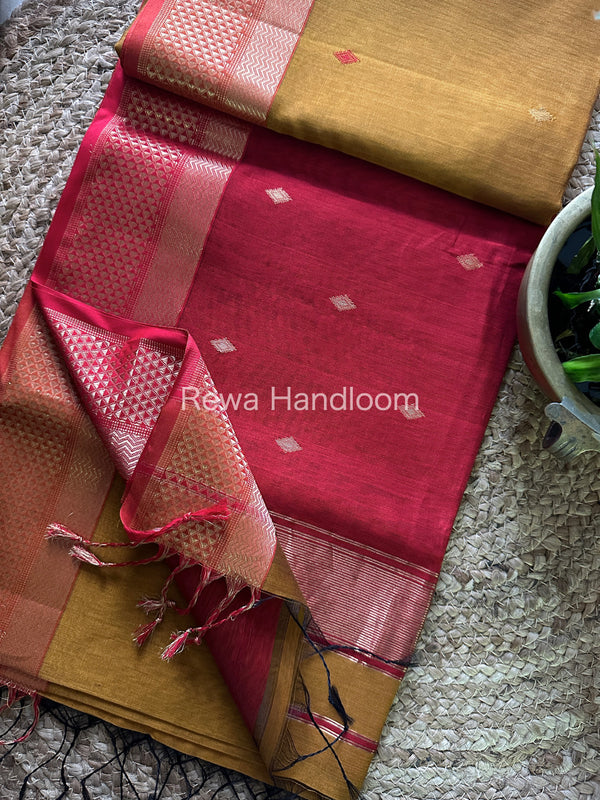
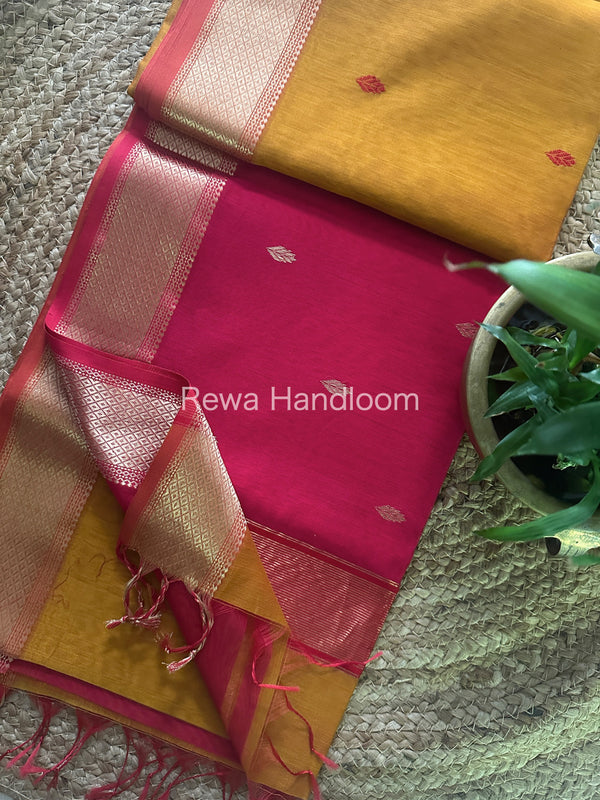
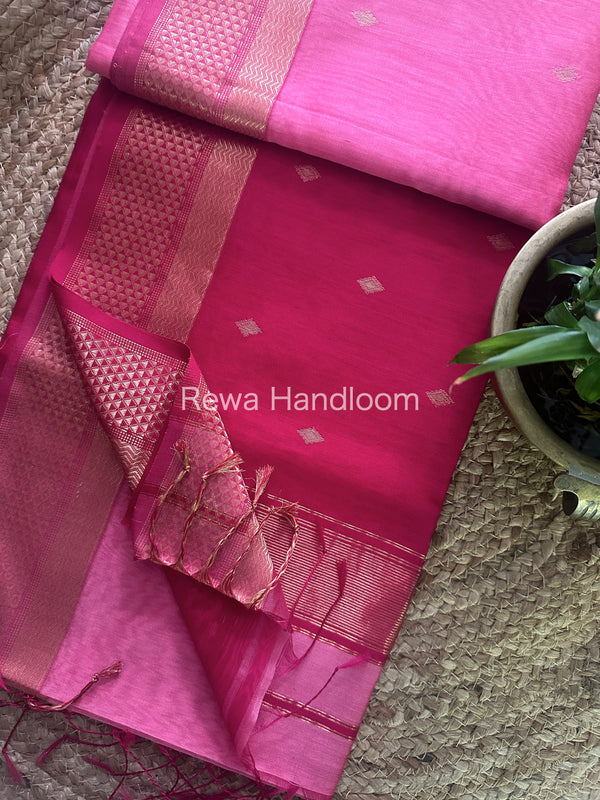
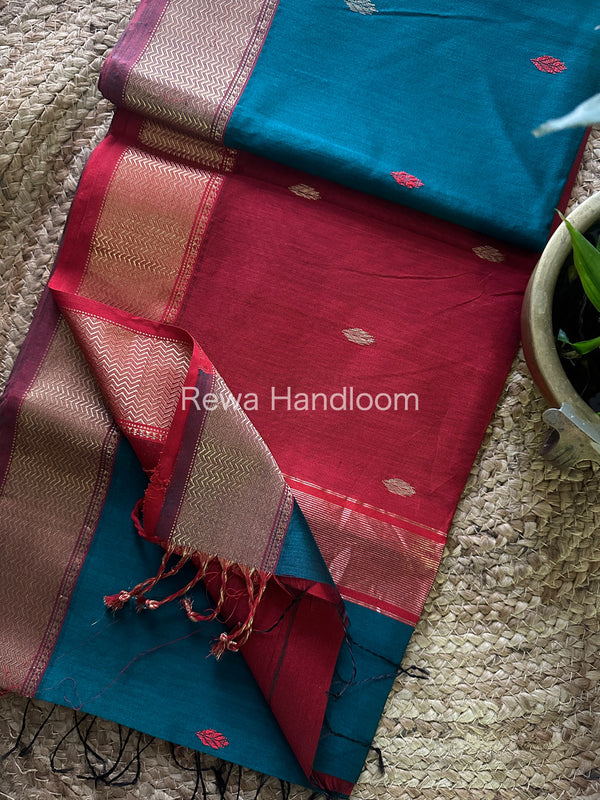
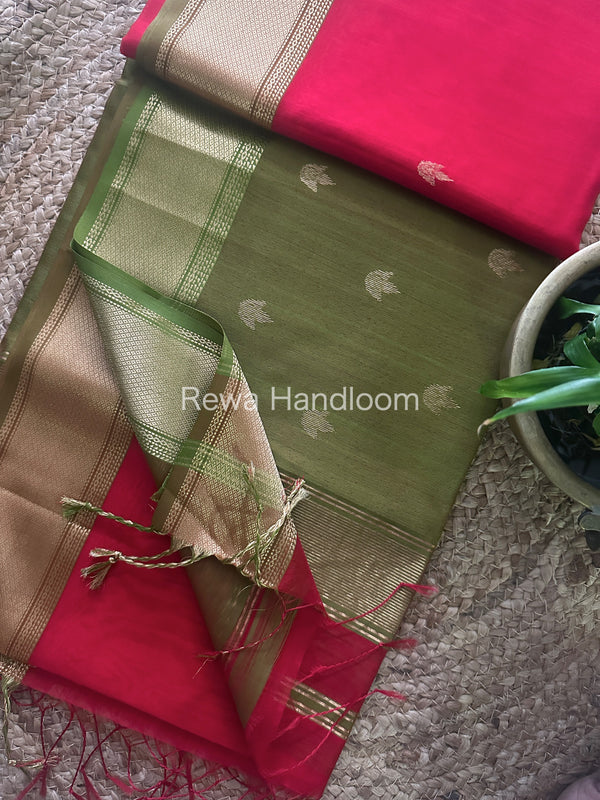
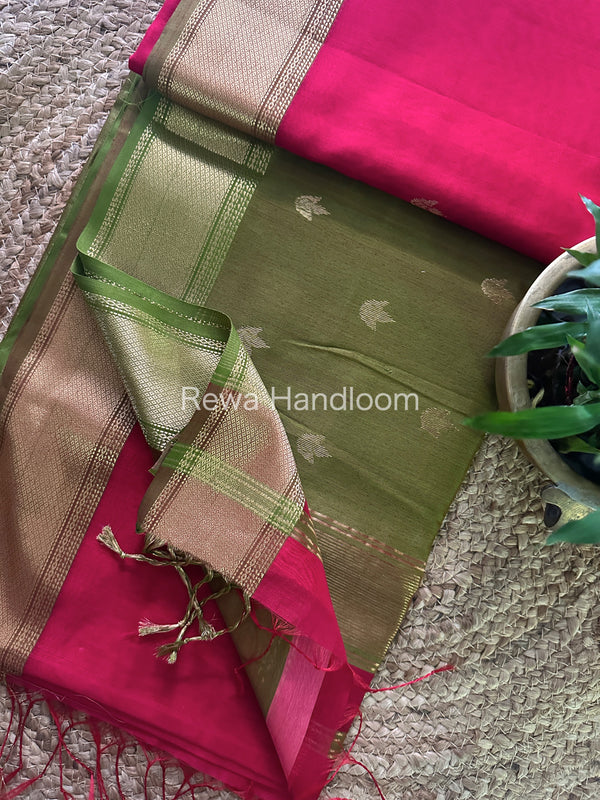
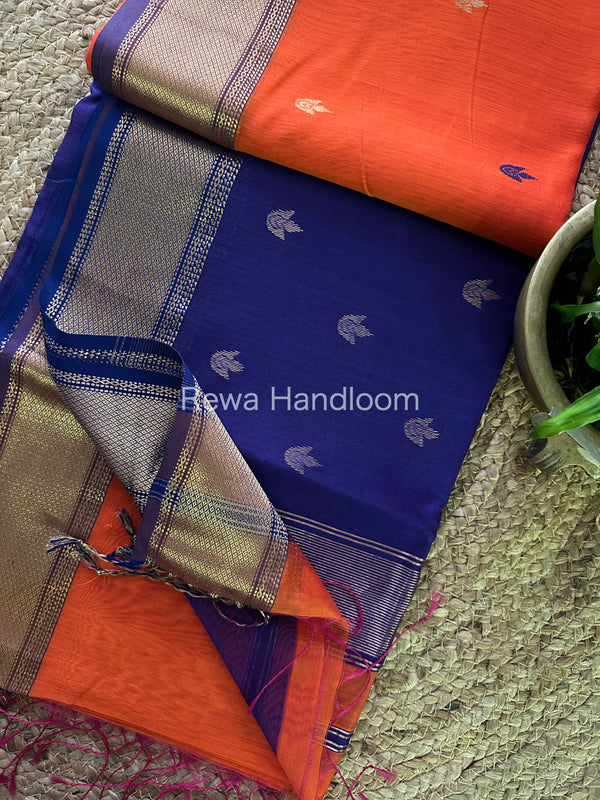
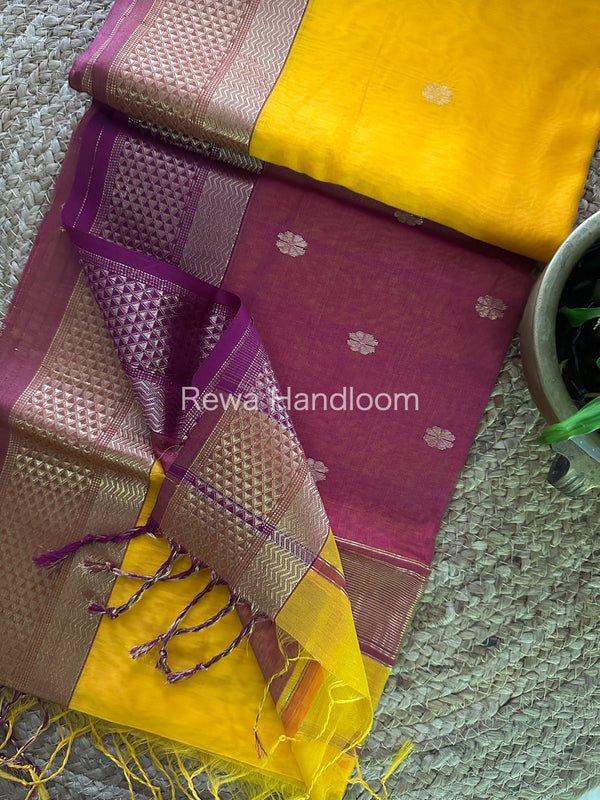
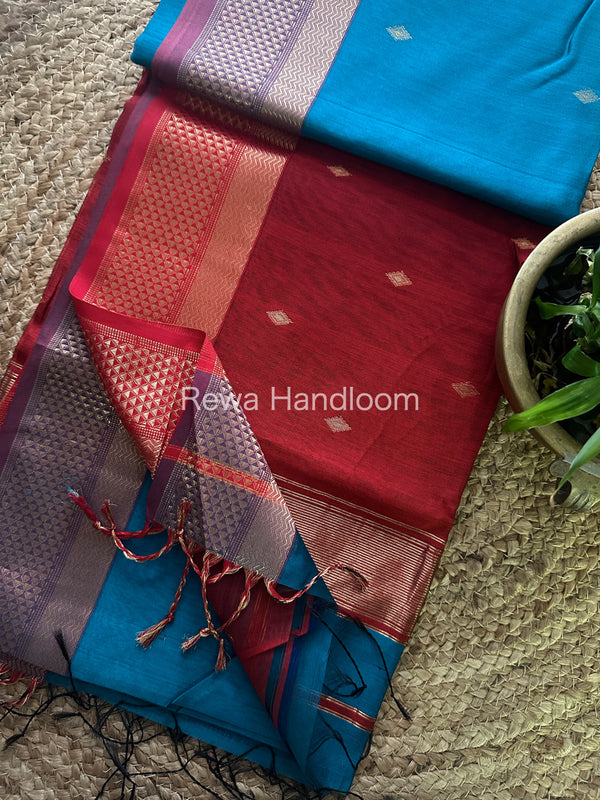
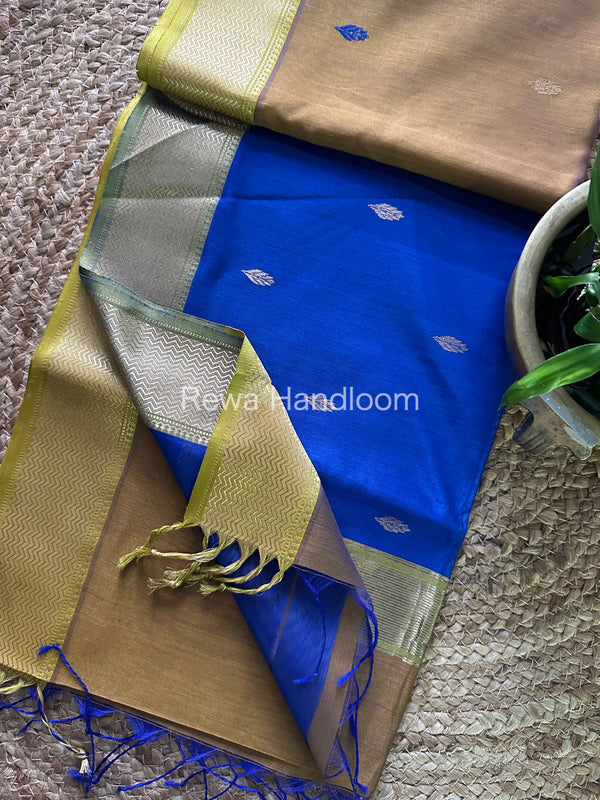
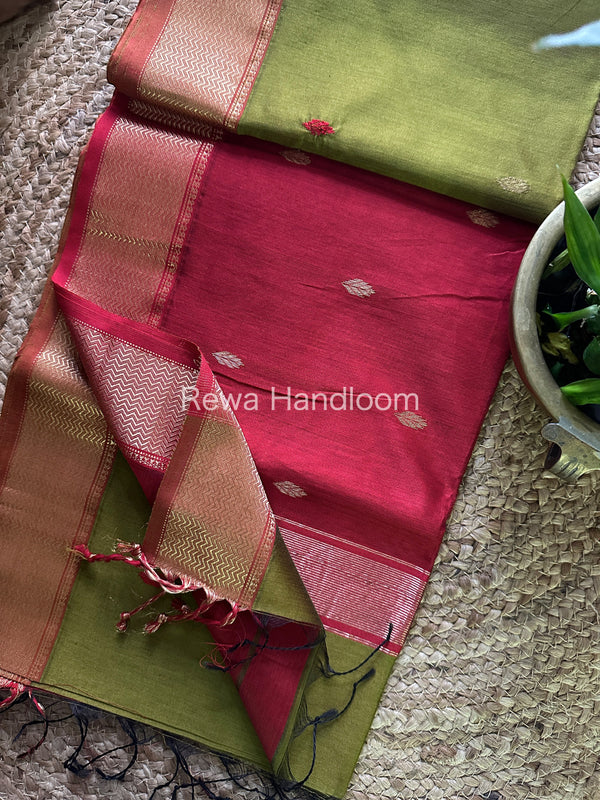
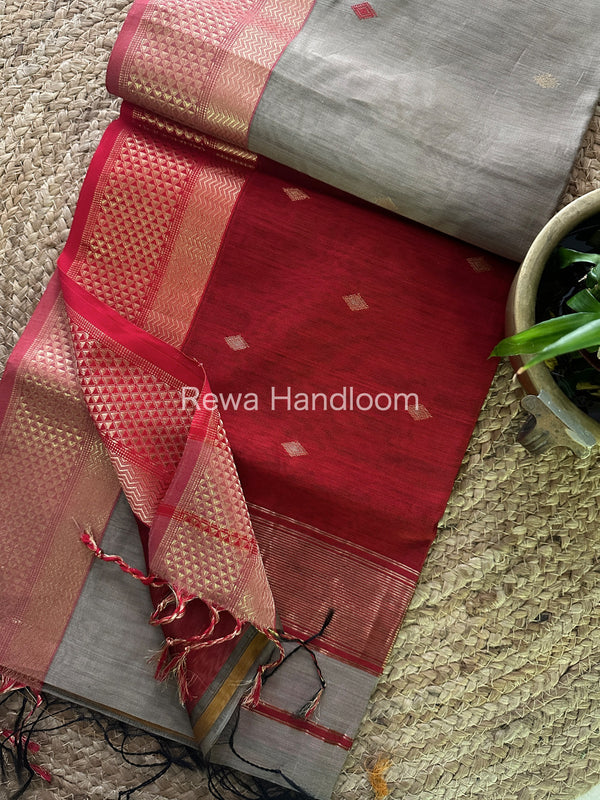
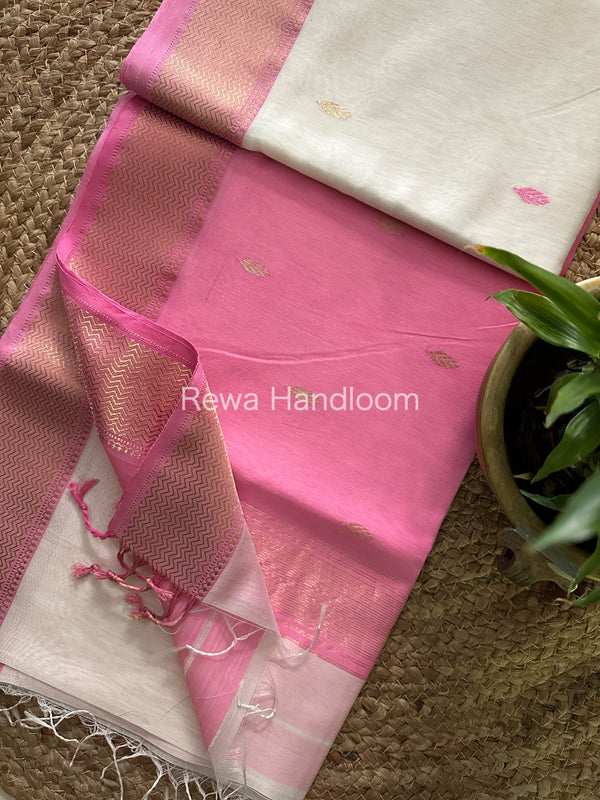
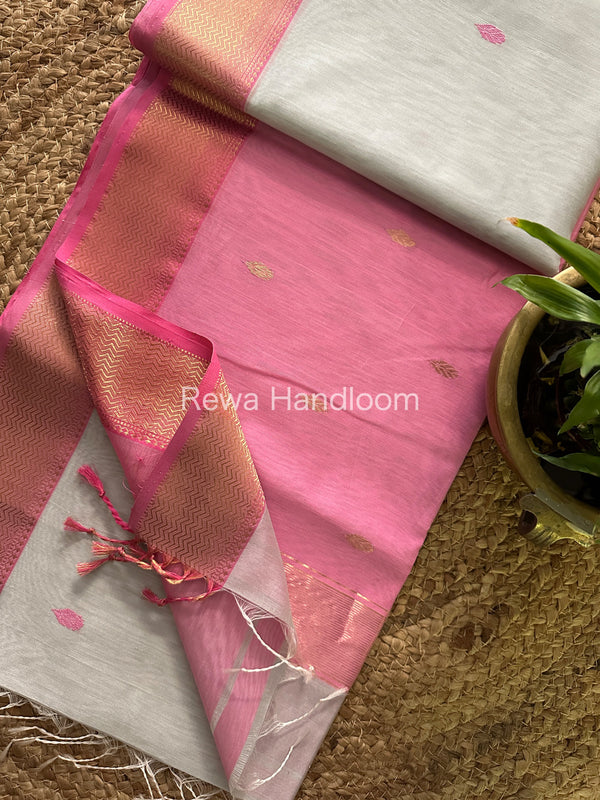
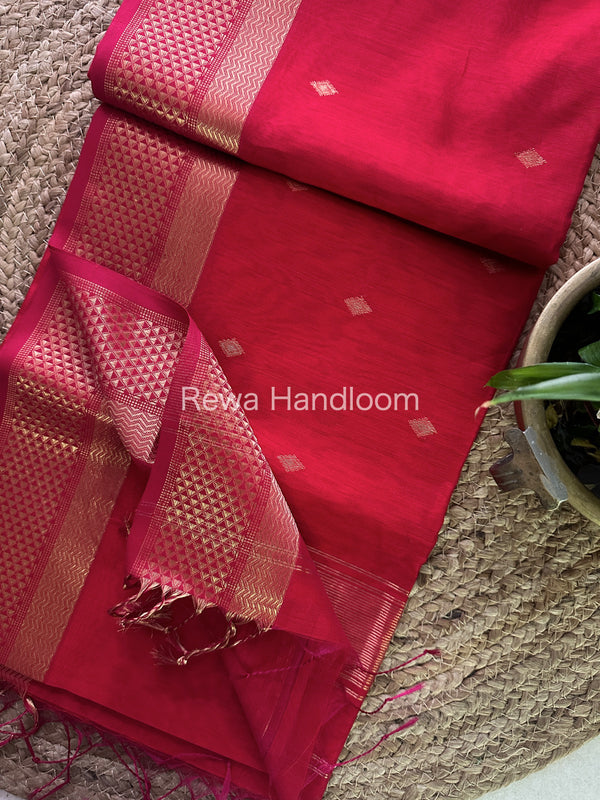
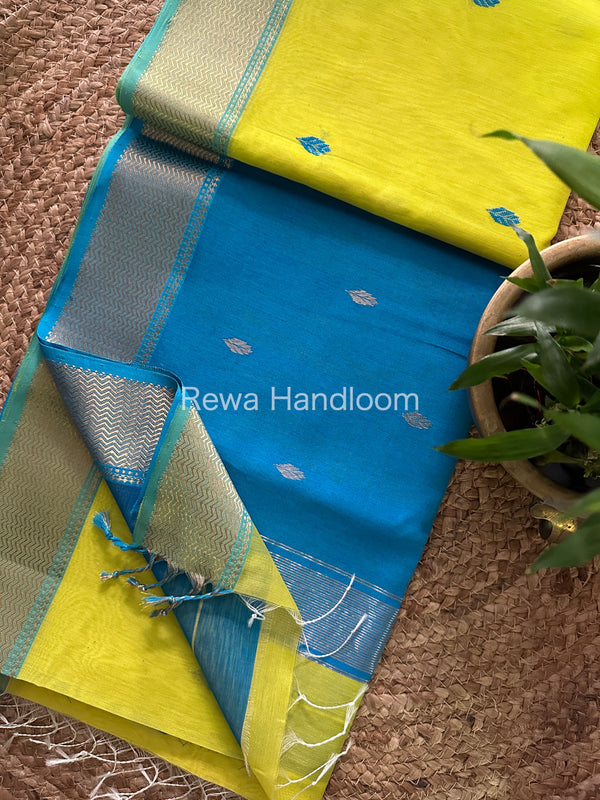
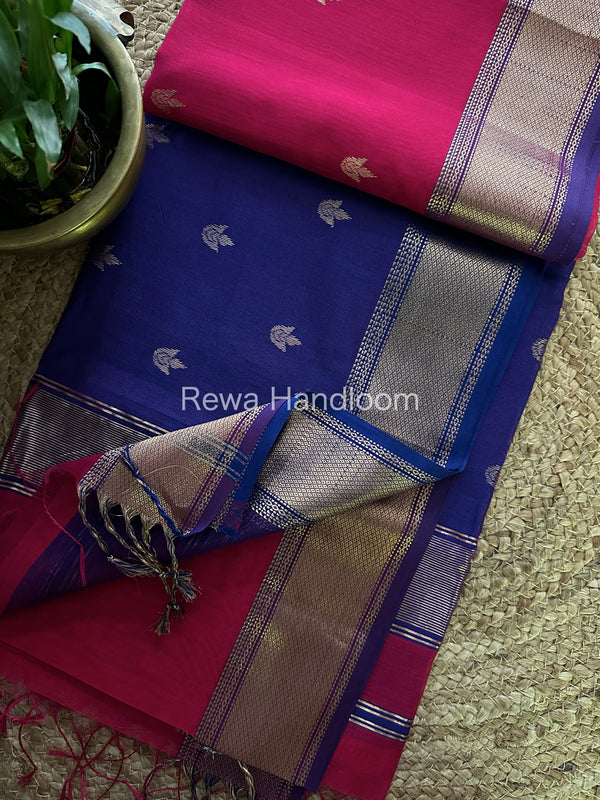
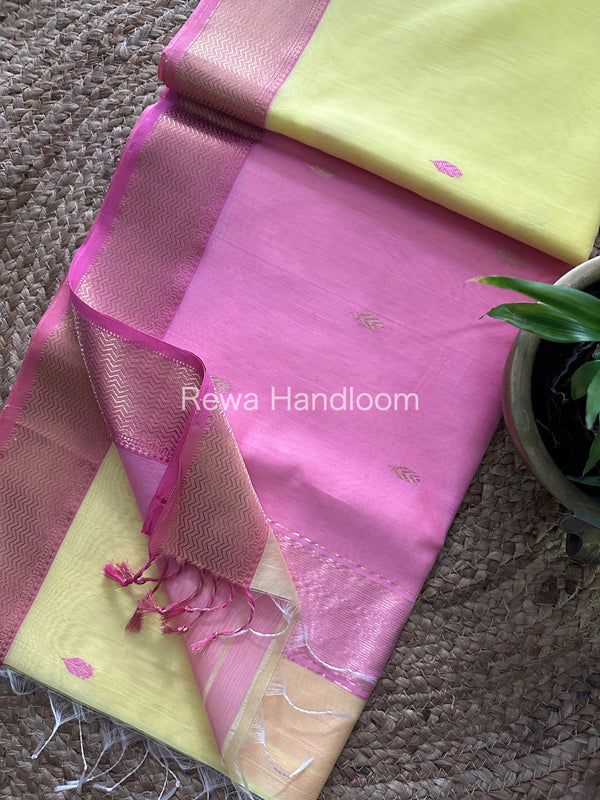
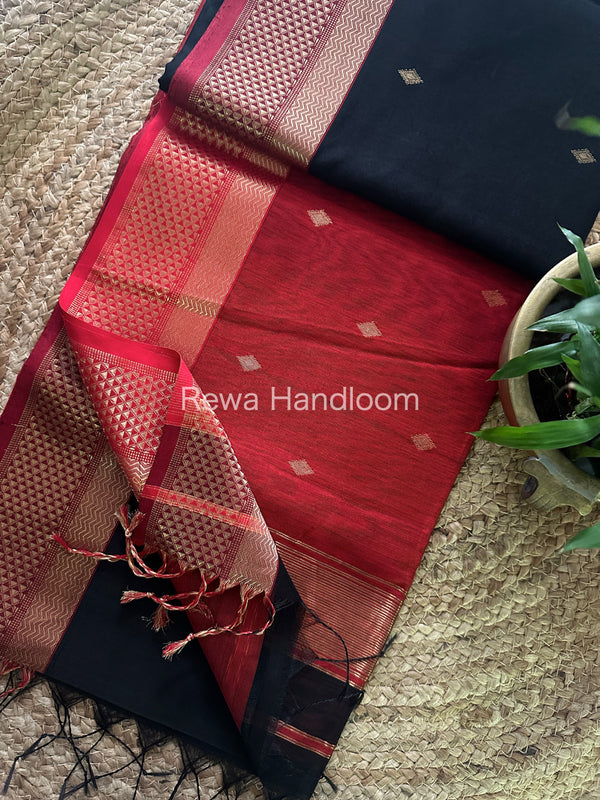
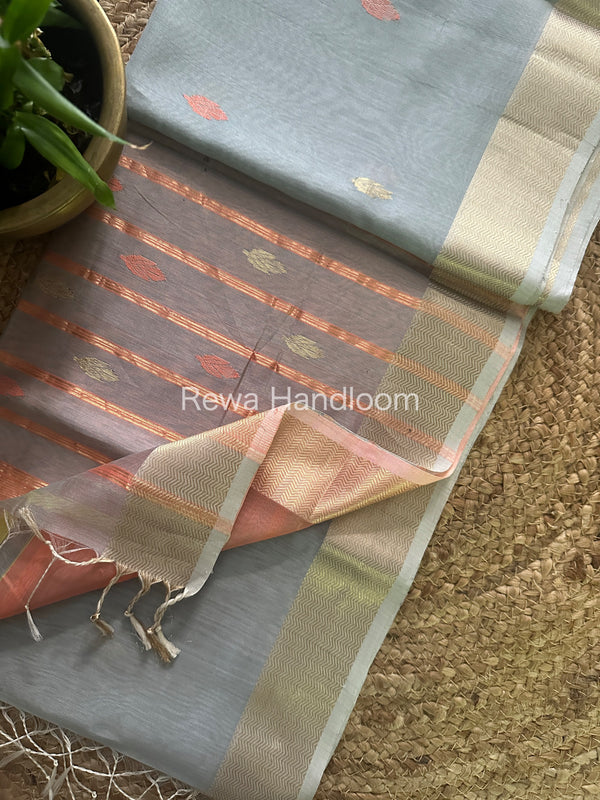
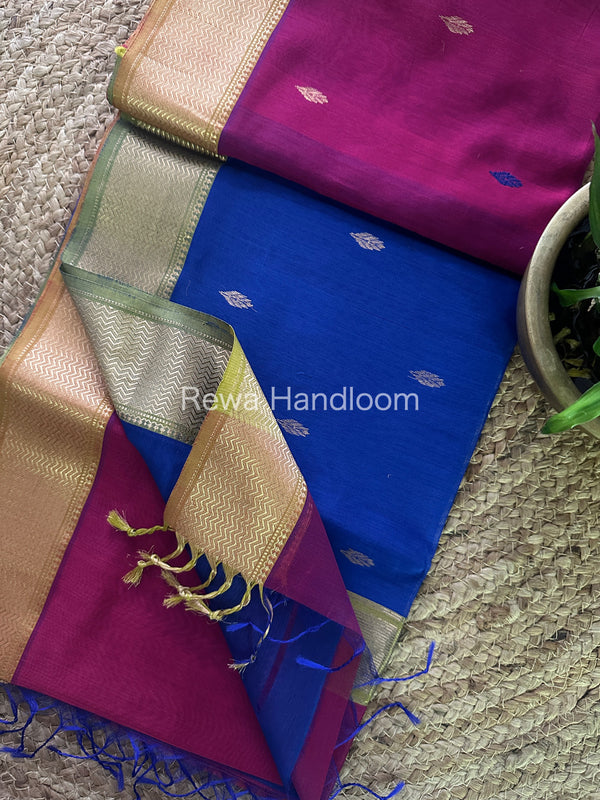
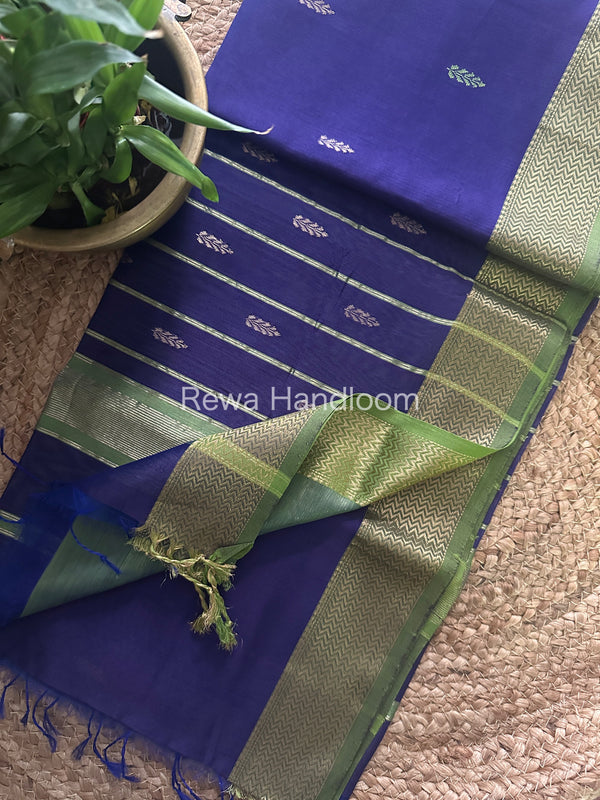
Buy Handwoven Maheshwari Sarees, handcrafted by skilled weavers of Rewa Handloom, situated in Maheshwar, Madhya Pradesh. Shop Authentic Handwoven Maheshwari Silk Sarees online from renowned Master Weavers of Maheshwar, certified by India Handloom Brand ~ Rewa Handloom.

Maheshwari Sarees माहेश्वरी साड़ियाँ
Buy Handwoven Maheshwari Sarees, handcrafted by skilled weavers of Rewa Handloom, situated in Maheshwar, Madhya Pradesh. Shop Authentic Handwoven Maheshwari Silk Sarees online from renowned Master Weavers of Maheshwar, certified by India Handloom Brand ~ Rewa Handloom.
Explore by Bestselling Category


Filters






Let customers speak for us
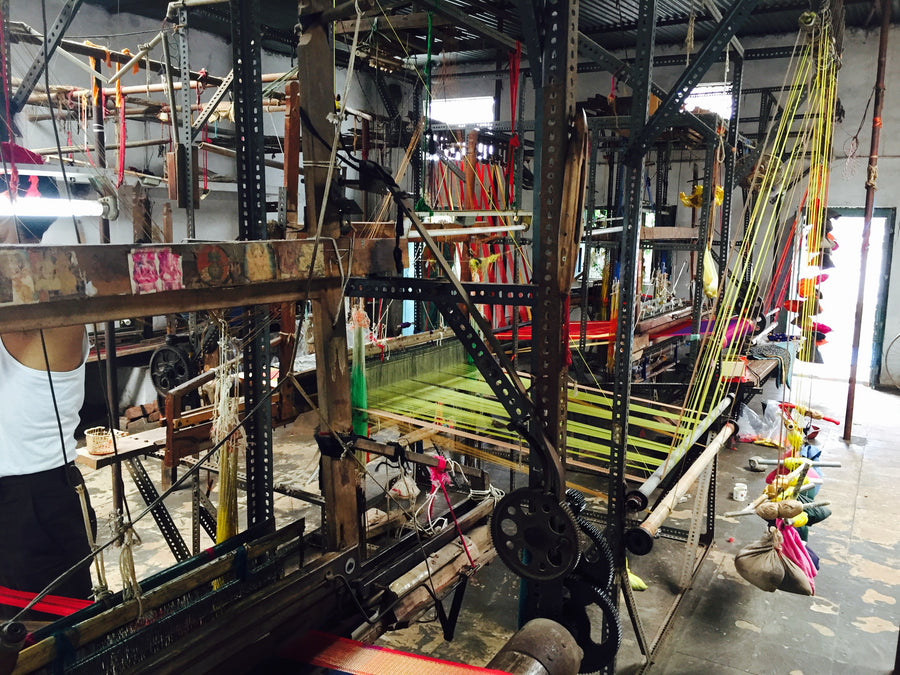
More about Maheshwari Weaving
From Looms to Legacy: Discovering the Artistry of Maheshwari Sarees:
Originating from the looms of Maheshwar, Madhya Pradesh, the Maheshwari saree is rooted in traditional weaving methods passed down through centuries, dating back to the 18th century. The beautiful motifs adorning these sarees are inspired by the intricate carvings of Ahilya Fort in Maheshwar. Once patronized by Maharani Ahilyabai Holkar, Maheshwari sarees have become renowned for their durability, luminous texture, and timeless appeal.
In the diverse world of Indian ethnic fashion, the Maheshwari saree is a shining example of grace, culture, and heritage. Known for its elegance and deep-rooted history,
FAQs
Frequently asked questions about Maheshwari Silk Sarees.
Maheshwari Sarees are significantly Handwoven by the weavers of Maheshwar, Madhya Pradesh. And carvings of the mosaic of flowers, leaves, etc. that have been carved on the temples and ghats (Ahilya Fort ) of Maheshwar seem to have descended on the Borders and the Pallu of Maheshwari sarees.
The Maheshwari saree was founded by Queen Ahilyabai Holkar of the Holkar dynasty in the 18th century in Maheshwar, Madhya Pradesh fro livelihood of peoples and womens. She ruled the Malwa region of Madhya Pradesh, with her capital at Maheshwar, which is also where the saree gets its name.
She invited skilled weavers from other regions to Maheshwar and helped establish the handloom industry there. Maheshwari saree, known for its distinctive stripes, checks, and borders inspired by the architecture of Maheshwar Fort.
Genuine Maheshwari Sarees are mainly handwoven and soft in feel and mostly end with tassels (few without). And more characteristics you can check to identify for its purity which as Follows:
Burn Test of Warp Thread (Silk thread): If it converts into complete ash it is made up of natural silk thread, if it ends up with a knot or feels like plastic after burning it shows that is made up of any artificial thread.
- Geometrical designs/motifs/engravings are unique to the walls of Maharani Ahilyabai Fort.
- Handloom fabric; Light in weight.
- Checks and floral designs on borders of sarees and fabrics.
- Saree pallus has distinct stripes.
- Generally, the border design of the Maheshwari saree is reversible. The design looks similar on both sides.
- In warp, un-degummed mulberry silk yarn and in weft cotton yarn are used.
- Normally, there is no design work with extra threads in the body and border back side of the saree.
Traditional Maheshwari Sarees are all-time popular and bestselling sarees, but nowadays exclusive modern-designed Maheshwari Sarees are also becoming popular. The few top-selling Maheshwari Sarees as follows:
- Maheshwari Rewa / Lehar Border Sarees.
- Maheshwari Garbha Reshami Sarees.
- Maheshwari Zari Skirt Border Sarees.
- Maheshwari Motifs / Buttidar Sarees.
- Maheshwari Tissue Sarees.
- Maheshwari Mulberry Silk Sarees
- Maheshwari Ganga Jamuna border Sarees. etc
Maheshwari sarees were made from cotton by Mulberry Silk (Garbha Reshami Silk Sarees) and cotton by cotton (80 single count) yarn in warp and weft as well. When they originated later on, they shifted to silk cotton as per demands and ease for weavers. Fabric Description of Maheshwari Cotton Silk Saree:
in Warp (Taana): 18/20–20/22D Silk
in Weft (Baana): 2/80–2/120s Cotton
Maheshwari sarees can be styled with traditional or modern accessories, and you can style with Silver Jewellery if you are wearing Silver zari border saree and Gold jewellery for any saree.
Yes, Maheshwari sarees are versatile and suitable for all seasons due to their cotton-silk blend, which is super comfortable and casual feel for all season.
To learn more, explore resources on traditional handloom weaving or visit trusted online platforms i.e. Rewa Handloom that offer Maheshwari sarees and Suits.
The difference between Chanderi and Maheshwari sarees becomes more distinct when you look at their fabric composition, weaving technique, motifs, and construction. Here’s a detailed explanation with a focus on making and fabric differences:
1. Origin & Patronage:
Chanderi Sarees:
# Originated in Chanderi, Madhya Pradesh.
# Have a history going back to the 11th century.
# Patronized by Bundela Rajputs and later Mughals.
Maheshwari Sarees:
# Originated in Maheshwar, Madhya Pradesh.
# Introduced in the 18th century by Queen Ahilyabai Holkar.
2. Weaving Technique & Making
Chanderi Saree Weaving:
- Uses the extra weft technique to insert motifs into the fabric.
- Woven on pit looms.
- The yarn used (especially for silk) is often un-degummed, which gives it a glossy finish.
- Known for lightweight weaving—ideal for summer.
Maheshwari Saree Weaving:
- Woven using a tightly packed plain weave.
- The border and body are woven separately and then interlocked, a technique called "kadiyal".
- Designs are engraved in body, border and pallu by "Dobby"
- Often includes reversible borders (called bugdi)—can be worn both ways.
- Weavers use fine cotton yarn for the body and silk for the borders and pallu.
3. Drape & Usage
- Chanderi sarees drape softly and fluidly, making them ideal for festive and formal occasions.
- Maheshwari sarees have a crisper, more structured drape, suitable for daily wear, office, or semi-formal events.
Maheshwari saree is not just a piece of cloth — it’s our heritage, our tradition. It carries the blessings of the sacred Narmada river and the skill passed down from our ancestors.”
From Thread to Saree – Our Craft:
1. Preparing the Yarn:
First, we take silk and cotton threads. Silk is used for the warp (longitudinal threads) and cotton for the weft (horizontal threads). These days, some weavers use a silk-cotton blend too. Before dyeing, we clean and reel the thread to make it loom-ready.
2. Dyeing:
In the old days, we used natural dyes—from plants like harad (yellow), manjistha (red), and indigo. Now, many use chemical dyes for brighter colors and durability, but some of us still follow traditional methods. After dyeing, the threads are dried thoroughly.
3. Setting the Warp:
This is one of the most delicate steps. Making the warp of silk threads through "Raj" and hanging the thread bundles takes hours. Every thread must be arranged perfectly in order. The balance between warp and weft is crucial to the saree’s look and strength.
4. Weaving:
Now begins the real art — hand weaving. We use a pit loom, and the designs for the borders and pallu are pre-planned, inspired by the architecture of Maheshwar Fort, temple domes, and even the waves of the Narmada. You’ll see patterns like chatai (mat), eent (brick), leheriya (waves), and floral vines.
5. Reversible Border (Bugdi Kinari):
One special thing about Maheshwari sarees is the reversible border — the saree can be worn from either side. We call this feature “bugdi kinari”. It takes both skill and experience to weave it properly.
6. Five Stripes in the Pallu:
On the pallu (the loose end of the saree), we traditionally weave five stripes — three colored and two white. This was started by Queen Ahilyabai Holkar, who first commissioned these sarees for royal guests.
7. Finishing:
Finally, the saree is ready after finishing tussel knotting and pressed.
When a Maheshwari saree is made by hand, every thread carries a story — of our town, our culture, and the labor of our hands.
“To us, this is not just fabric — it is life itself. When someone wears a Maheshwari saree, they carry with them a piece of Maheshwar, our traditions, and the hard work of generations.”
Testimonials
Our Success measures through satisfaction of our Customers.
